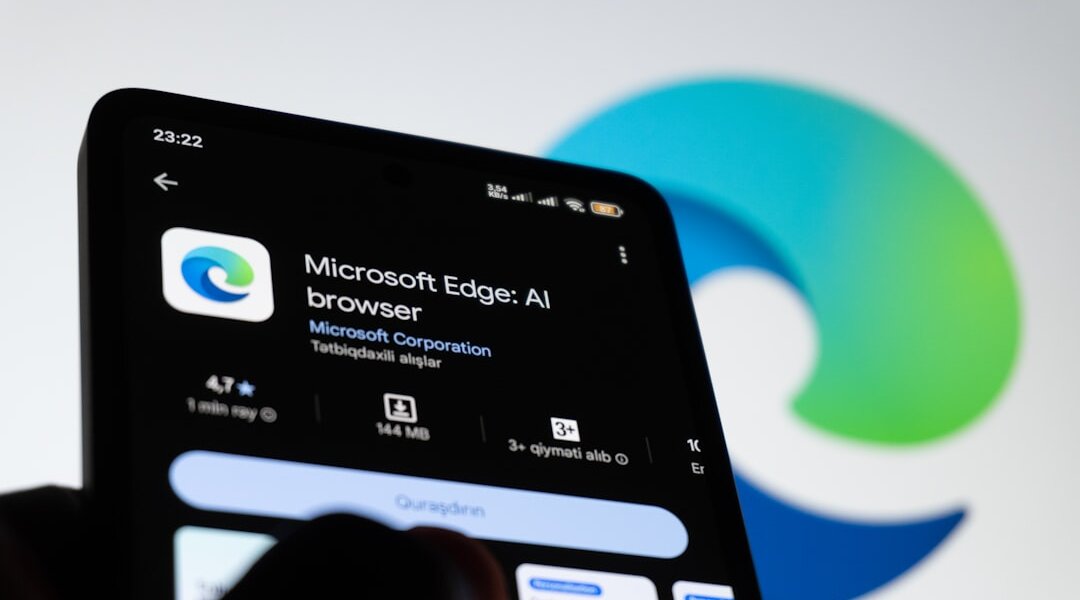
Photo by Zulfugar Karimov on Unsplash
In the high-stakes world of technology, few companies have made a bet as audacious as Microsoft’s deep dive into artificial intelligence. From its multi-billion dollar investment in OpenAI to the pervasive integration of Copilot across its product suite, Redmond has gone all-in on AI. But as the tech giant gears up to announce its Q2 earnings, the question isn’t just about revenue; it’s about validating a strategic pivot that could define its future for decades to come. This isn’t merely a quarterly report; it’s a referendum on Microsoft’s AI gamble, and the stakes couldn’t be higher.
The AI Frontier: Microsoft’s Bold Offensive
Microsoft’s AI strategy is multifaceted and aggressive. At its core lies the monumental partnership with OpenAI, which has granted Microsoft not only a significant stake in the future of generative AI but also exclusive access to cutting-edge models like GPT-4. This collaboration isn’t just about research; it’s about productization. The most visible manifestation is Copilot, an AI assistant woven into Windows, Microsoft 365, and Edge, promising to revolutionize productivity for millions.
Beyond Copilot, Microsoft has been aggressively expanding its Azure AI services, offering developers and enterprises a robust platform to build and deploy their own AI solutions. This includes everything from sophisticated machine learning tools to pre-built cognitive services. The vision is clear: make Azure the go-to cloud for AI innovation, leveraging its existing enterprise dominance to capture the burgeoning AI market.
This aggressive push, however, comes with a hefty price tag. The development, integration, and infrastructure costs associated with advanced AI are astronomical. Microsoft has been pouring resources into acquiring top AI talent, building specialized data centers, and continuously training and refining its AI models. The Q2 earnings will reveal whether these significant investments are translating into tangible financial gains, particularly in areas like Azure’s growth and new license adoption for Copilot-enhanced products.
Q2 Earnings: The Ultimate Litmus Test
Why are Q2 earnings so critical for Microsoft’s AI strategy? Simply put, they represent the first major financial readout since the full-scale rollout and broader adoption of many of its generative AI offerings. Investors and analysts will be scrutinizing several key metrics to gauge the success of the AI gamble:
- Azure Cloud Growth: A significant portion of Microsoft’s AI infrastructure and services run on Azure. Strong growth in Azure, particularly in its AI-related offerings, will be a strong indicator that enterprises are adopting Microsoft’s AI ecosystem. Look for specific commentary on AI workload consumption.
- Copilot Adoption and Monetization: The uptake of Copilot subscriptions, especially within Microsoft 365 Enterprise, will be paramount. Are businesses willing to pay the premium for AI-powered productivity? Initial feedback has been positive, but Q2 will offer hard data on conversion rates and revenue contribution.
- Profit Margins: While revenue growth is important, the profitability of AI services is equally crucial. The cost of running large language models is high. Microsoft needs to demonstrate that its AI investments can drive sustainable, healthy margins, not just top-line growth.
- Forward Guidance: Beyond the current quarter, Microsoft’s outlook for the remainder of the fiscal year will provide insights into their confidence in the long-term trajectory of their AI initiatives. Any adjustments to guidance based on AI performance will send strong signals to the market.
A strong Q2 showing would not only validate Satya Nadella’s vision but also provide the capital and momentum needed to further accelerate Microsoft’s AI dominance. Conversely, a lukewarm reception could trigger investor skepticism and potentially force a re-evaluation of aspects of their strategy.
The Path Forward: Triumph or Re-evaluation?
The outcomes of this Q2 earnings report carry immense implications for Microsoft’s trajectory. A resounding success would solidify Microsoft’s position as a leader in the AI revolution, potentially boosting its stock price, attracting more talent, and widening its moat against competitors like Google and Amazon. It would demonstrate that the substantial investments were not just speculative but strategically sound, delivering tangible value to customers and shareholders alike. This could lead to further aggressive expansion into new AI applications and markets, leveraging its newfound momentum.
However, if the results fall short of expectations, indicating slower-than-anticipated adoption or higher-than-expected costs, Microsoft could face significant pressure. This wouldn’t necessarily spell disaster for the empire, but it would certainly necessitate a period of introspection and potential strategic adjustments. Investors might demand greater clarity on the return on investment for AI, and the company might need to refine its pricing models or marketing strategies for its AI-powered products. The market’s reaction, both to the numbers and the accompanying commentary, will be a critical indicator of how the AI story is being received.
Ultimately, Microsoft’s future is increasingly intertwined with its AI prowess. Q2 earnings are more than just a financial update; they are a pivotal moment that will either affirm the company’s bold gamble or signal a need for recalibration in its quest to be the undisputed leader in artificial intelligence.
Conclusion: The AI Empire Awaits Its Verdict
Microsoft’s journey into the AI frontier has been nothing short of transformative, repositioning the company at the forefront of technological innovation. The upcoming Q2 earnings report stands as a critical juncture, offering the clearest picture yet of whether this audacious gamble is beginning to pay off. The world will be watching to see if the empire’s future is indeed being forged by the power of AI, or if a more cautious path awaits. What are your predictions for Microsoft’s Q2 earnings and the future of its AI strategy? Share your thoughts in the comments below!