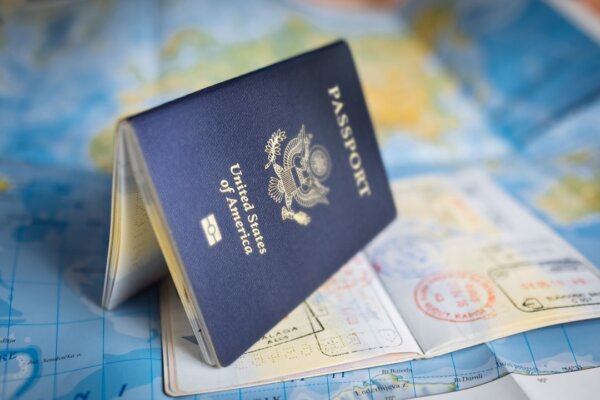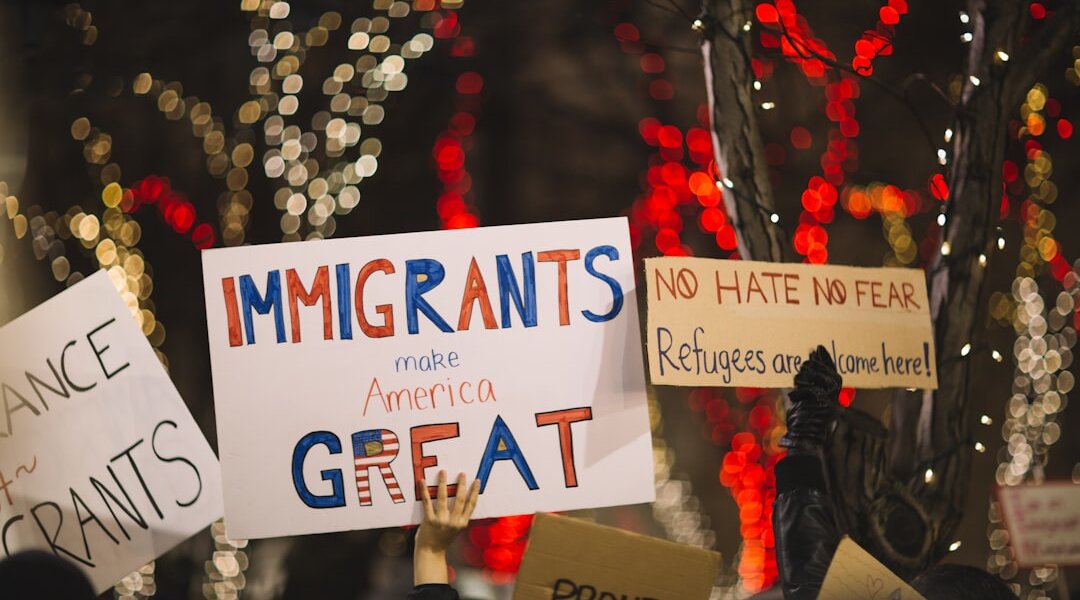
Photo by Nitish Meena on Unsplash
The American Dream, for many skilled professionals and families, has become a waiting game stretching across decades. The system, intended to offer a pathway to permanent residency, is mired in a severe backlog, impacting millions and raising critical questions about the U.S.’s ability to attract and retain global . As the Biden administration continues its term, a pivotal question remains: will it finally untangle the complex web of regulations and processing delays that have defined this gridlock?
The Decades-Long Bottleneck: Understanding the Green Card Gridlock
The root of the backlog lies in a combination of outdated annual visa limits and stringent per-country caps. U.S. immigration law allocates approximately 140,000 employment-based green cards and 226,000 family-sponsored green cards annually. However, a critical constraint is the 7% per-country cap, meaning no single country can receive more than 7% of the total visas in a given year, regardless of its population or demand.
This cap disproportionately affects individuals from high-demand countries like India and China. For many employment-based categories, particularly EB-2 and EB-3, applicants from these nations face wait times that can stretch over a decade, with some projections suggesting even longer. Family preference categories can see waits of 15 to 20 years. Professionals on visas, often highly skilled workers in the tech sector, find themselves in a perpetual state of limbo, unable to make long-term career or life decisions.
The sheer volume of applications exacerbates the problem. As of early 2026, U.S. Citizenship and Immigration Services () is managing a record backlog of over 11 million pending cases across all categories. This massive queue reflects deep structural delays, not just temporary slowdowns, making the path to permanent residency a daunting and uncertain journey for countless individuals and families.
Biden’s Blueprint: Policy Proposals and Administrative Actions
Addressing this monumental challenge has been a stated priority for the . In 2021, President Biden introduced the U.S. Citizenship Act, a comprehensive immigration reform proposal aimed at tackling the backlog. Key elements of this proposal included provisions to:
- Clear backlogs for employment-based and family-based visas.
- Simplify the process for advanced degree holders from U.S. universities to obtain green cards.
- Increase the number of diversity visas.
- Release unused visas from prior years.
- Increase per-country caps for family-sponsored visas from 7% to 20% and eliminate them for employment-based visas.
- Exempt spouses and minor children of green card holders from quotas.
- Extend work authorization for H-4 spouses and prevent H-4 children from aging out.
While this ambitious bill requires Congressional approval to become law, the administration has also taken administrative steps to improve processing. In Fiscal Year 2023, completed an unprecedented 10 million immigration cases, reducing its net backlog by 15% (over 760,000 cases) for the first time in over a decade. Crucially, for the second consecutive year, USCIS ensured that no available employment-based visas went unused, a significant improvement given that roughly 80,000 such visas were lost in FY 2021 due to processing delays. The agency has also implemented new technology solutions, such as online biometrics rescheduling and address changes, to streamline processes and enhance the customer experience.
Despite these efforts, the overall backlog remains substantial, and the path to comprehensive legislative reform is arduous. The call for “green card recapture” – making previously unused visas available – continues to be a vital suggestion to alleviate the current gridlock.
The Stakes for Innovation: Why Tech Talent Can’t Wait
The protracted backlog isn’t merely an administrative inconvenience; it poses a significant threat to American innovation and global competitiveness. The U.S. relies heavily on foreign-born professionals, many of whom arrive on visas, to fill critical roles in its thriving sector. When these individuals face multi-year or even multi-decade waits for permanent residency, it creates immense personal and professional instability.
This uncertainty can lead to highly skilled immigrants choosing to leave the U.S., or never coming in the first place, opting for countries with more predictable immigration pathways. This “brain drain” means the U.S. loses out on valuable expertise, entrepreneurship, and innovation. Tech leaders and industry groups consistently advocate for reforms, emphasizing that immigration policy is inextricably linked to innovation policy. The ability to attract and retain the world’s brightest minds is crucial for maintaining America’s leadership in fields like artificial intelligence, biotechnology, and advanced manufacturing.
Conclusion
The Green Card gridlock is a complex, multi-faceted challenge demanding sustained attention and comprehensive solutions. While the has acknowledged the problem and initiated some positive changes, particularly in processing efficiency and preventing visa wastage, the fundamental structural issues, such as per-country limits and annual caps, require legislative action. Clearing this decades-long backlog is not just about fairness to individuals; it’s about safeguarding America’s economic future and its standing as a global hub for innovation and . Continued advocacy, bipartisan cooperation, and a commitment to modernizing the system are essential to ensure that the American Dream remains accessible to those who seek to contribute to its prosperity.
What are your thoughts on the Green Card backlog? How do you think these delays impact the U.S. tech sector? Share your perspectives in the comments below!