Photo by Pengfei Zhao on Unsplash
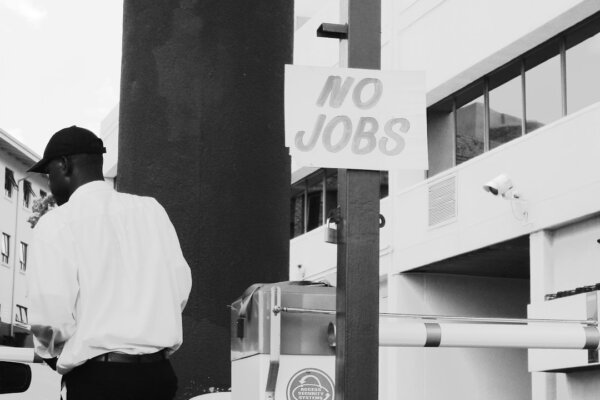
The global economy has been grappling with a series of unprecedented challenges, and a recent, stark illustration of this turbulence emerged with a single day witnessing mass layoffs ripple through three seemingly disparate yet fundamentally connected sectors: technology, manufacturing, and services. This synchronized downturn isn’t merely a coincidence; it’s a testament to the intricate web of global economics, where a tremor in one area can quickly escalate into an earthquake across others. Understanding the underlying causes and potential long-term ramifications of these widespread job cuts is crucial for businesses and individuals alike.
The Tech Tremor: From Hyper-Growth to Harsh Reality
For years, the technology sector appeared almost immune to economic headwinds. Propelled by rapid innovation, venture capital, and accelerated digital transformation during the pandemic, tech companies experienced unprecedented growth, leading to aggressive hiring sprees. However, the tides have turned dramatically. Factors such as rising interest rates, persistent inflation, and a general tightening of venture capital markets have forced a dramatic reevaluation of spending and growth projections.
Many tech giants, from software developers to social media platforms, found themselves overstaffed for a post-pandemic reality where consumer behavior shifted away from exclusively digital interactions. Furthermore, investor pressure for profitability over pure growth has become a dominant theme, pushing companies to streamline operations and cut costs. The result has been a painful contraction, with thousands of highly skilled professionals facing unexpected job losses. This tech tremor serves as a stark reminder that even the most innovative industries are not immune to economic cycles.
Manufacturing’s Meltdown: Supply Chains and Shifting Demands
While tech layoffs often grab headlines, the manufacturing sector has been quietly battling its own set of challenges, culminating in significant job reductions. Already strained by persistent global supply chain disruptions, rising raw material costs, and geopolitical tensions, manufacturers are now contending with softening consumer demand. The post-pandemic surge in goods consumption has waned, with consumers prioritizing experiences and services, or simply tightening their belts due to inflationary pressures.
Moreover, the push towards automation and artificial intelligence, while promising long-term efficiencies, often leads to short-term workforce reductions. Companies are investing in robotics and advanced manufacturing processes to reduce labor costs and improve resilience against future disruptions, further impacting the human workforce. The manufacturing sector, a traditional barometer of economic health, is signaling a significant slowdown, with implications for global trade and local economies dependent on industrial output.
Services Sector Shakes: A Ripple Effect
The services sector, encompassing everything from retail and hospitality to finance and professional services, is often the last to feel the full brunt of an economic downturn, but its recent layoffs indicate a pervasive economic malaise. As consumers reduce discretionary spending due to inflation and economic uncertainty, businesses in retail, entertainment, and hospitality face decreased revenue, leading to staff reductions.
The ripple effect from tech and manufacturing layoffs also plays a crucial role. When thousands of high-earning tech employees lose their jobs, their reduced spending power directly impacts local service industries. Similarly, a slowdown in manufacturing affects logistics, transportation, and business support services. Financial services, too, are feeling the pinch, with hiring freezes and layoffs in areas like investment banking and mortgage lending, reflecting a broader slowdown in capital markets and real estate. This interconnectedness means that no sector operates in a vacuum, and a significant shock in one area inevitably sends reverberations through the others.
Navigating the Aftermath: Resilience and Reimagination
The synchronized mass layoffs across tech, manufacturing, and services underscore a period of profound economic adjustment. For individuals, this necessitates a focus on reskilling and upskilling, adapting to new demands, and exploring emerging industries. The gig economy and freelance opportunities may also see a resurgence as traditional employment structures face challenges.
For businesses, the current climate demands strategic foresight. Diversification of revenue streams, investment in resilient supply chains, and a renewed focus on operational efficiency are paramount. Furthermore, companies must prioritize employee well-being and foster a culture of adaptability. While the immediate future presents significant hurdles, this period of economic aftershock also serves as a catalyst for innovation and the reimagination of how industries operate and how workforces are structured. The ability to pivot and embrace change will be key to navigating these turbulent waters and emerging stronger on the other side.
The economic landscape is undoubtedly shifting, and the recent wave of mass layoffs is a powerful indicator of this transformation. How do you think these changes will impact the future of work and industry? Share your thoughts in the comments below!