Photo by Maxim Hopman on Unsplash
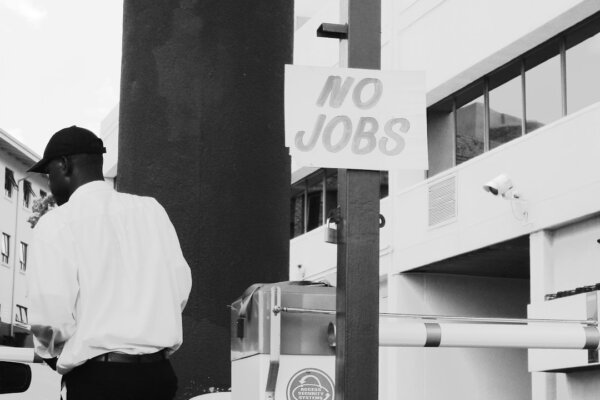
The air in Silicon Valley, usually buzzing with the hum of innovation and the promise of endless growth, has grown palpably heavy. As of June 18, 2026, a sudden and widespread layoff blitz has sent shockwaves across the global technology landscape. From the gleaming campuses of prominent software developers to the bustling floors of advanced manufacturing facilities and the sprawling operations of service giants, thousands of employees have been unceremoniously axed. This isn’t just a tremor; it’s a seismic event reshaping the very foundations of the tech industry, forcing a stark re-evaluation of its trajectory and sustainability.
For years, the tech sector was seen as an unstoppable engine of job creation, a safe haven from economic volatility. However, the current climate suggests a harsh reality check, prompting questions about over-hiring, shifting market demands, and the relentless march of automation and AI. What exactly is driving this unprecedented wave of workforce reductions, and what does it portend for the future of work in a sector accustomed to boundless expansion?
Silicon Valley’s Software Shockwave: Adjusting to a New Reality
The heart of the digital revolution, Silicon Valley, is experiencing a particularly brutal culling. Major software companies, once celebrated for their expansive workforces and generous perks, are now leading the charge in job eliminations. Sources indicate that thousands of roles across various departments – from engineering and product management to marketing and HR – have been deemed redundant. This widespread reduction isn’t merely a cost-cutting measure; it reflects a deeper strategic pivot. During the pandemic-fueled digital boom, many tech firms engaged in aggressive hiring sprees, anticipating sustained hyper-growth. However, as consumer spending habits normalize and macroeconomic pressures mount, companies are facing intense pressure to optimize operations and boost profitability.
Furthermore, the rapid advancements in artificial intelligence (AI) and automation are playing a significant role. Tasks once requiring human input are increasingly being handled by sophisticated algorithms and machine learning models, leading to greater efficiency but fewer human roles. This shift necessitates a workforce with highly specialized skills, leaving those with more generalized or easily automatable functions vulnerable. The focus is now squarely on leaner operations and a return to core competencies, often at the expense of headcount.
Manufacturing’s Machine March: Factories Feel the Force
Beyond the software realm, the manufacturing sector, particularly those tied to high-tech components and consumer electronics, is also grappling with significant job losses. Factories, from semiconductor fabrication plants to assembly lines for smart devices, are seeing workforce reductions driven by a confluence of factors. Supply chain disruptions, though somewhat eased since their peak, have left lasting impacts on production schedules and inventory management. Moreover, a slowdown in global demand for new gadgets and hardware, coupled with longer upgrade cycles for existing devices, has reduced the need for extensive manufacturing capacities.
The ongoing push towards Industry 4.0 and advanced robotics is another critical element. Automation in manufacturing has reached new heights, allowing factories to produce more with fewer human hands. While this enhances productivity and reduces labor costs, it inevitably leads to job displacement for workers in traditional manufacturing roles. Companies are investing heavily in smart factories, where machines communicate and optimize processes autonomously, further streamlining operations but shrinking the demand for a large human workforce. The emphasis here is on precision, speed, and cost-effectiveness, driven by technological innovation.
Service Giants Under Pressure: The Ripple Effect
The layoff blitz isn’t confined to just tech companies and their direct manufacturing partners; its ripple effect is being felt profoundly by major service giants. These include large consulting firms, IT service providers, and even logistics companies that heavily rely on the tech sector for their business. As tech companies scale back their projects, reduce their spending on external contractors, and consolidate their internal operations, the demand for outsourced services naturally declines.
Many service providers built significant portions of their business on supporting the tech industry’s rapid expansion. Now, they are forced to adjust their own workforces to align with the reduced demand. This includes cuts in areas like cloud infrastructure support, cybersecurity consulting, data analytics services, and even specialized legal and HR services. The interconnectedness of the modern economy means that a downturn in one major sector inevitably creates a cascading effect across its supporting industries, leading to a broader economic slowdown and further job losses. This highlights the fragility of a highly specialized ecosystem.
Navigating the New Tech Landscape: A Call to Action
The widespread layoffs observed across Silicon Valley, manufacturing hubs, and service giants by June 2026 mark a significant inflection point for the global tech industry. It signals an end to the “growth at all costs” mentality and a pivot towards sustainable profitability and strategic efficiency. While unsettling for thousands of individuals, this period of adjustment also presents an opportunity for recalibration. Companies are being forced to innovate smarter, and the workforce is being challenged to adapt.
For those affected, and for anyone looking to thrive in this evolving landscape, the message is clear: reskilling and upskilling are paramount. Focus on developing expertise in emerging fields like advanced AI development, cybersecurity, specialized data science, and green tech. Networking remains crucial, as does understanding the shifting demands of the market. The tech industry is not shrinking, but it is certainly transforming. By embracing continuous learning and adaptability, individuals can navigate these turbulent waters and emerge stronger. The future of tech will demand resilience, innovation, and a proactive approach to career development. Stay informed, stay agile, and prepare for the next wave of innovation.