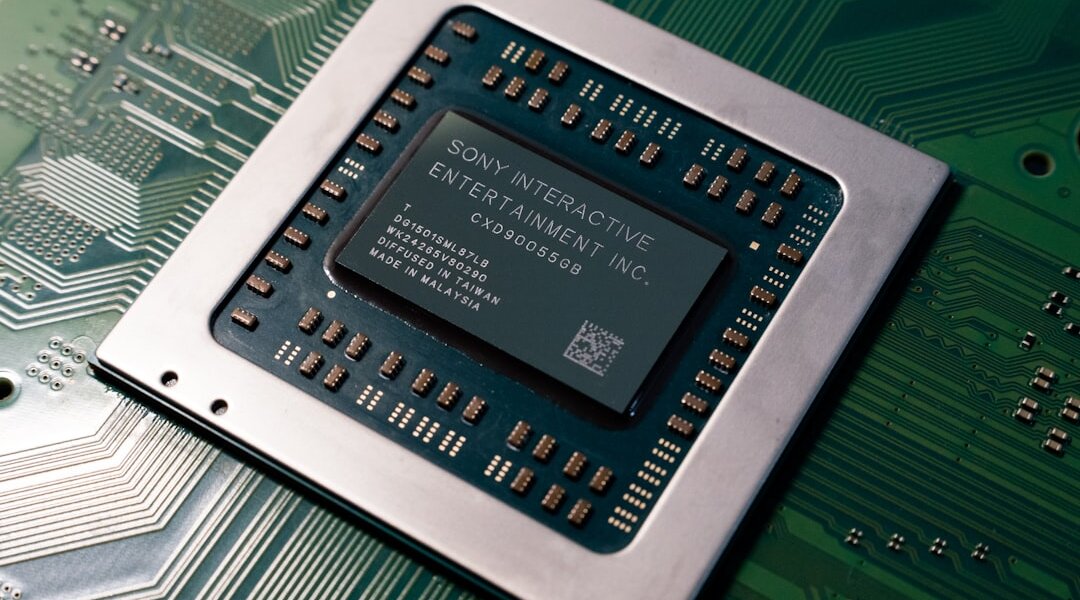
Photo by He Junhui on Unsplash
In an increasingly digital world, the invisible force powering our lives — compute power — is facing an unprecedented challenge. From the AI models predicting the next big trend to the vast cloud infrastructures underpinning global businesses, the hunger for processing capability is insatiable. However, the supply of the advanced silicon chips that make this possible is struggling to keep pace, creating what many are calling the “Compute Supply Squeeze.” This isn’t just a temporary bottleneck; it’s a fundamental shift, elevating silicon to the status of a geopolitical commodity as vital as oil once was, profoundly reshaping global economics and local manufacturing landscapes.
The Insatiable Appetite for Advanced Compute
The demand for top-tier compute power isn’t merely growing; it’s exploding, driven by several key technological advancements:
- Artificial Intelligence & Machine Learning: The rise of generative AI, large language models (LLMs), and complex machine learning algorithms requires colossal computational resources. Training and running these models demand specialized accelerators, primarily high-performance GPUs, which are at the forefront of the supply crunch.
- Hyperscale Cloud Computing: Cloud providers like AWS, Azure, and Google Cloud are constantly expanding their data centers to meet the ever-increasing needs of businesses and consumers for scalable, on-demand infrastructure. Each new server rack requires a suite of powerful, energy-efficient processors.
- Data Explosion & IoT: The proliferation of IoT devices, smart cities, and big data analytics generates zettabytes of information daily, all of which needs to be processed, stored, and analyzed, further fueling the demand for advanced silicon.
- Advanced Manufacturing Nodes: Producing the cutting-edge chips (e.g., 3nm, 2nm) required for these applications is an incredibly complex, capital-intensive, and time-consuming process. Only a handful of companies possess the expertise and facilities, making supply highly concentrated and susceptible to disruption.
This confluence of factors means that the supply squeeze isn’t just about a general shortage; it’s specifically acute for the most advanced, high-performance silicon, which is critical for future innovation.
Silicon: The New Geopolitical Currency
The parallels between silicon and oil are becoming strikingly clear. Just as control over oil reserves shaped 20th-century geopolitics, dominance in advanced semiconductor manufacturing is now defining 21st-century power dynamics. For nations, access to and control over the production of these foundational components is no longer just an economic concern but a matter of national security and strategic autonomy.
The global semiconductor supply chain is notoriously intricate and concentrated. A significant portion of the world’s most advanced chips are manufactured by a very small number of foundries, predominantly in East Asia. This concentration creates inherent vulnerabilities, as geopolitical tensions, natural disasters, or even localized power outages can send ripples throughout global industries, from automotive to defense.
Consequently, nations are recognizing that “silicon independence” is paramount. The ability to design, manufacture, and secure a reliable supply of advanced chips is becoming a primary objective for leading economies, transforming silicon from a mere component into a strategic asset.
The Global Race for Manufacturing Dominance
In response to the compute supply squeeze and the newfound strategic importance of silicon, a global race for manufacturing dominance is underway. Governments worldwide are implementing ambitious policies and investing billions to bolster their domestic semiconductor capabilities:
- Reshoring Initiatives: Countries like the United States (CHIPS and Science Act) and the European Union (EU Chips Act) are offering massive subsidies and incentives to attract leading chip manufacturers to build new fabrication plants (fabs) on their soil. The goal is to reduce reliance on foreign supply chains and create resilient domestic ecosystems.
- Economic & National Security: Beyond economic benefits like job creation and technological leadership, these investments are driven by national security concerns. A reliable domestic supply of chips ensures that critical infrastructure, defense systems, and future innovations are not beholden to external geopolitical pressures.
- Ecosystem Development: Building a fab is only part of the equation. Success requires developing a robust ecosystem of skilled labor, research and development institutions, material suppliers, and equipment manufacturers. This comprehensive approach aims to foster long-term innovation and self-sufficiency.
This push for localized manufacturing is not without its challenges. Fabs are astronomically expensive, require highly specialized talent, and take years to build and become operational. However, the perceived strategic imperative outweighs these hurdles, signaling a profound shift in global industrial policy.
Conclusion: Navigating the Silicon-Powered Future
The compute supply squeeze is more than a temporary market imbalance; it’s a profound indicator of silicon’s elevated status as the essential resource of the 21st century. Just as oil powered the industrial revolution and shaped the geopolitical landscape of the last century, advanced semiconductors are now the bedrock of our digital future, dictating economic power, technological leadership, and national security.
As governments and industries grapple with this new reality, strategic investments in R&D, manufacturing capacity, and talent development will be crucial. The nations and companies that successfully navigate this silicon-powered future will be the ones that drive innovation, secure their economies, and ultimately shape the next era of global power. The race is on – and the stakes couldn’t be higher.
What are your thoughts on the compute supply squeeze and the growing importance of silicon? Share your insights in the comments below!