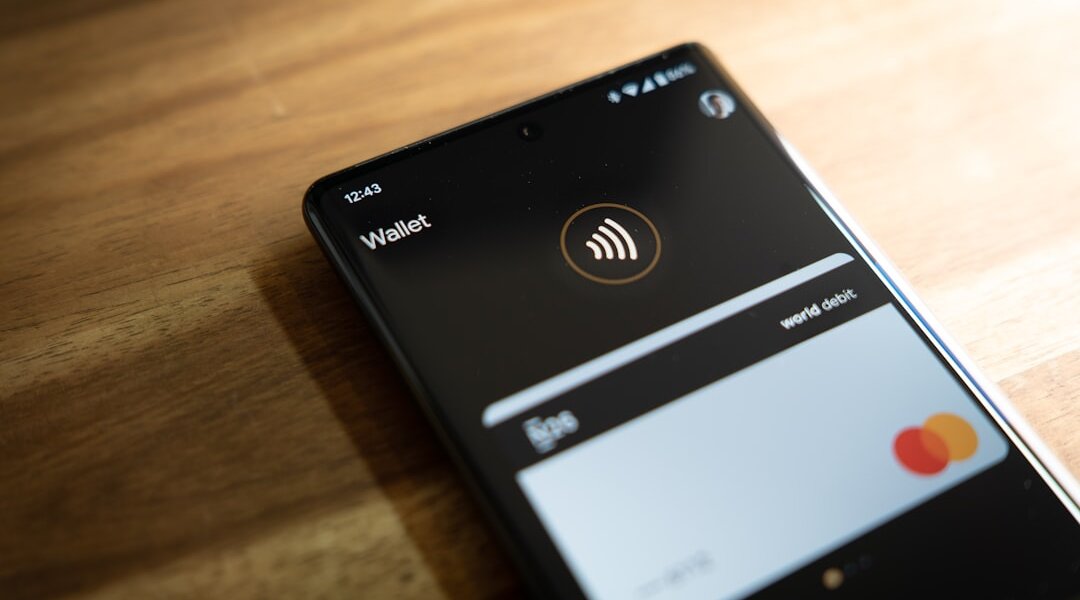
Photo by Mika Baumeister on Unsplash
The Era of Slow, Expensive Cross-Border Payments is Ending
For decades, international business-to-business (B2B) payments have been synonymous with frustration. Imagine a company needing to pay an overseas supplier or receive funds from an international client. The process typically involves wire transfers, routed through a complex web of intermediary banks via systems like SWIFT. This legacy infrastructure, while functional, is notoriously slow, expensive, opaque, and prone to errors. Businesses often face:
- Significant Fees: High transaction costs, often compounded by multiple intermediary bank fees.
- Protracted Delays: Payments taking days, sometimes even weeks, to settle, impacting cash flow and business operations.
- Lack of Transparency: Difficulty tracking payments in real-time, leading to uncertainty and manual reconciliation efforts.
- FX Volatility Risk: Exposure to fluctuating exchange rates during the settlement period.
- Limited Operating Hours: Restricted to traditional banking hours, hindering 24/7 global commerce.
These bottlenecks have long been accepted as the cost of doing global business, a testament to the entrenched monopoly of legacy banking systems. However, a seismic shift is underway, propelled by the rise of regulated stablecoins and innovative crypto payment rails.
Regulated Stablecoins: A New Paradigm for Global B2B Commerce
Stablecoins are cryptocurrencies designed to minimize price volatility by pegging their value to a stable asset, typically fiat currencies like the US dollar. Unlike speculative cryptocurrencies, their primary utility lies in their stability and efficiency as a medium of exchange. The key for B2B adoption, however, is regulation.
Regulated stablecoins, issued by audited entities and often backed by reserves held at regulated financial institutions, offer the best of both worlds: the speed and efficiency of blockchain technology combined with the trust and compliance framework of traditional finance. For B2B payments, they present a compelling alternative to wire transfers:
- Near-Instant Settlement: Transactions can settle in minutes, not days, dramatically improving cash flow management.
- Lower Transaction Costs: Significantly reduced fees compared to traditional wire transfers, often a flat, minimal rate regardless of transaction size.
- 24/7/365 Availability: Blockchain networks operate continuously, enabling payments anytime, anywhere.
- Enhanced Transparency: Transactions are recorded on public or permissioned ledgers, offering clear audit trails.
- Reduced FX Risk: By using stablecoins pegged to the desired fiat currency, businesses can mitigate exchange rate volatility.
Major players like Circle’s USDC and Tether’s USDT, among others, are gaining traction, providing the infrastructure for businesses to transact globally with unprecedented efficiency.
Dismantling the Monopoly: Beyond Just Payments
The impact of regulated stablecoins extends far beyond mere payment processing; they are fundamentally reshaping the financial landscape and challenging legacy banking’s long-held global monopoly. By enabling direct, peer-to-peer settlement without the need for multiple intermediaries, stablecoins are empowering businesses in ways previously impossible:
- Direct Value Transfer: Companies can transfer value directly to their partners, bypassing the traditional correspondent banking network and its associated costs and delays.
- Financial Inclusion: Providing access to efficient global payment rails for businesses in regions underserved by traditional banking.
- Programmable Money: The underlying blockchain technology allows for smart contracts, enabling automated, conditional payments (e.g., instant payment upon delivery verification), opening doors for innovative supply chain finance and escrow services.
- New Business Models: Facilitating micro-payments, instant payroll for global workforces, and real-time treasury management for multinational corporations.
This shift isn’t just about faster payments; it’s about decentralizing financial power, reducing reliance on a few dominant institutions, and fostering a more competitive, efficient, and inclusive global financial system.
The Future is On-Chain: Embracing Digital Currencies
As regulatory frameworks mature and stablecoin adoption accelerates, the transition from legacy banking rails to crypto payment infrastructure is becoming inevitable. Governments and central banks worldwide are also exploring Central Bank Digital Currencies (CBDCs), further validating the underlying technology and paving the way for a digital-first financial future.
For businesses, embracing regulated stablecoins isn’t just about adopting a new payment method; it’s about future-proofing operations, optimizing financial flows, and gaining a competitive edge in an increasingly interconnected global economy. The era of slow, expensive, and opaque wire transfers is rapidly giving way to a new paradigm of instant, transparent, and cost-effective digital value transfer.
Are you ready to unlock the full potential of your global business operations with next-generation payment solutions? Explore how regulated stablecoins can revolutionize your B2B transactions today.