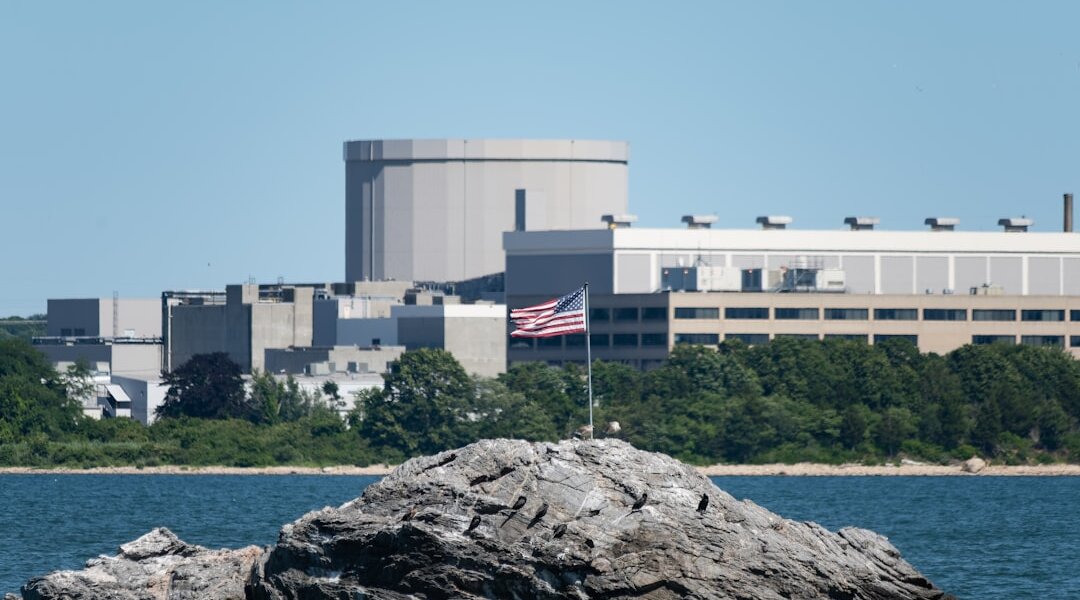
Photo by Rusty Watson on Unsplash
The AI Energy Crunch: A Looming Power Crisis
The meteoric rise of Artificial Intelligence is reshaping industries, economies, and daily life at an unprecedented pace. From sophisticated language models to autonomous systems, AI promises a future of innovation and efficiency. Yet, beneath the gleaming facade of algorithmic brilliance lies a shadow problem: an insatiable, rapidly escalating demand for energy. As data centers expand and AI models grow exponentially, the question isn’t just “Can we build it?” but “Can we power it sustainably?” This escalating energy crisis is forcing a controversial energy source back into the global conversation: nuclear power. But are the tech giants driving this demand truly committed to clean energy solutions, or are their ambitions inadvertently pushing us closer to a global climate precipice?
The energy footprint of AI is staggering and growing. Training a single large language model can consume as much electricity as several homes use in a year, emitting hundreds of tons of carbon dioxide if powered by fossil fuels. Data centers, the physical homes of AI, are already voracious energy consumers, accounting for an estimated 1-3% of global electricity demand. With AI’s projected growth, this figure is set to explode. Analysts predict that by 2030, AI-related electricity consumption could rival that of entire countries. This isn’t just about powering servers; it’s about cooling them, running complex network infrastructure, and supporting the “AI factories” that will become the backbone of our digital future. Our current energy grids, largely reliant on a mix of fossil fuels, are ill-equipped to handle this surge without significant upgrades and, more critically, a dramatic shift towards cleaner sources. The challenge is immense: how do we meet this demand without accelerating climate change?
Nuclear Power: A Carbon-Free Phoenix from the Ashes?
In the face of AI’s burgeoning energy needs, nuclear power is experiencing a surprising resurgence in interest. Long mired in controversy due to concerns over safety, waste disposal, and high upfront costs, nuclear energy offers a compelling advantage: it’s a carbon-free, high-density, and reliable baseload power source. Unlike intermittent renewables like solar and wind, nuclear plants can operate 24/7, providing consistent power regardless of weather conditions – a crucial factor for always-on AI infrastructure. Modern advancements, particularly in Small Modular Reactors (SMRs), promise safer, more efficient, and potentially more affordable designs that can be deployed faster and closer to demand centers. Tech giants like Microsoft and Amazon have already signaled interest in nuclear solutions, exploring direct power purchase agreements or even investing in advanced reactor development. The allure is clear: a powerful, consistent, and emissions-free way to fuel their rapidly expanding AI empires.
Tech Giants: Green Visionaries or Climate Accelerators?
The role of tech giants in this energy paradigm is complex and, at times, contradictory. On one hand, many have made ambitious pledges to achieve 100% renewable energy for their operations, investing heavily in solar and wind farms, and advocating for greener grids. They champion innovation and often lead the charge in sustainable practices. On the other hand, the sheer scale and speed of AI development mean that their energy demand often outstrips the pace of clean energy deployment. When new data centers come online, they often draw power from the existing grid, which still relies heavily on fossil fuels. This creates a challenging scenario where, despite their green commitments, the immediate effect of their rapid expansion could be an increase in carbon emissions, at least in the short to medium term. The critical question isn’t just if they’re funding clean energy, but how quickly that clean energy can scale to meet their accelerating demand, and whether their investments are truly transformative or merely compensatory.
Powering the Future Responsibly
The symbiotic relationship between AI and energy is undeniable, and it presents humanity with both a profound challenge and an unprecedented opportunity. AI’s transformative potential must not come at the cost of our planet’s health. While nuclear power offers a compelling, carbon-free solution to meet AI’s insatiable energy demands, its revival requires careful consideration, robust safety protocols, and public acceptance. Tech giants, as the primary drivers of AI innovation, bear a significant responsibility. Their investments in clean energy must be more than just pledges; they need to be foundational, accelerating the transition to truly sustainable grids globally. We must demand transparency, encourage continuous innovation in clean energy technologies, and advocate for policies that prioritize both technological advancement and environmental stewardship. The future of AI, and indeed our planet, hinges on our collective ability to power this revolution responsibly and sustainably.