Photo by Joachim Schnürle on Unsplash
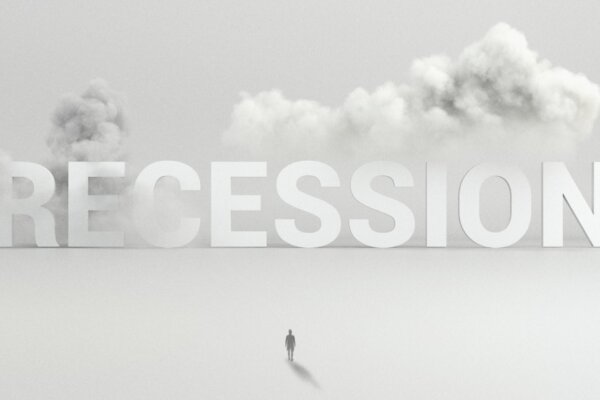
The global economy has been shaken by a seismic shift, manifesting as widespread, often sudden, layoffs across pillars of industry. From the innovative hubs of Silicon Valley to the factory floors of industrial giants and the bustling frontlines of the service economy, the hammer has fallen, leaving a trail of uncertainty and anxiety. These aren’t isolated incidents but rather a concerted trend reflecting deeper economic currents and technological transformations. Understanding the forces at play and how to respond is no longer optional; it’s imperative for professionals and businesses alike.
The Tech Sector’s Shifting Sands
For years, the technology sector was a seemingly unstoppable engine of growth, characterized by aggressive hiring and booming valuations. The COVID-19 pandemic further accelerated this trend, leading many companies to over-hire in anticipation of sustained digital demand. However, the tide has turned dramatically. Rising interest rates, inflationary pressures, and a general market correction have forced tech giants and startups alike to re-evaluate their expenditures and headcounts. Companies that once boasted “unlimited” perks are now streamlining operations, leading to significant workforce reductions. The advent of advanced artificial intelligence (AI) has also begun to play a subtle yet impactful role, with some roles becoming redundant as automation capabilities expand. , This isn’t just about efficiency; it’s about a fundamental re-calibration of what the tech industry needs in a more mature and competitive landscape.
Manufacturing’s Modern Malaise
While often viewed through the lens of automation, the manufacturing sector’s recent layoffs are a complex interplay of factors. Global supply chain disruptions, which became acutely apparent during the pandemic, continue to pose significant challenges, forcing companies to reconsider their operational models and sometimes downsize. Intensifying global competition, particularly from regions with lower labor costs, also pressures domestic manufacturers to cut costs, often through workforce reductions. Furthermore, changing consumer demands, a shift towards more sustainable practices, and the ongoing push for advanced robotics and smart factories mean that the skills required are evolving rapidly. / Those without updated skill sets find themselves vulnerable. This isn’t just about replacing human hands with machines; it’s about a complete re-imagining of the production process, demanding a smaller, more specialized workforce.
Services Sector Under Pressure
The services sector, a broad category encompassing everything from hospitality and retail to finance and consulting, is far from immune. Economic slowdowns directly impact consumer spending and business investment, leading to reduced demand for services. Digitalization, a long-term trend, has been accelerated by the pandemic, pushing more interactions online and reducing the need for certain in-person roles. Think about the rise of online banking versus physical branches, or self-service kiosks replacing customer service representatives. The gig economy, once seen as a flexible alternative, is also facing scrutiny and regulatory changes, impacting the livelihoods of many independent contractors. Businesses are optimizing operations, leveraging data analytics to predict demand more accurately, and often finding ways to deliver services with fewer human resources.
Navigating the New Normal: Strategies for Resilience
Amidst this turbulence, what can individuals and businesses do to not just survive, but thrive? For professionals, continuous learning and upskilling are paramount. Focusing on in-demand skills, particularly in areas like AI literacy, data analysis, cybersecurity, and green technologies, can significantly enhance employability. Networking, both online and offline, remains a powerful tool for discovering new opportunities and gaining insights into emerging trends. , Financial planning and building an emergency fund are also crucial for weathering periods of unemployment. For businesses, diversification of revenue streams, investing in employee reskilling programs, and strategically embracing automation and AI can build resilience. Agile operations and a strong focus on core competencies, while remaining adaptable to market shifts, are key. This era demands proactive engagement and a commitment to lifelong adaptation.
Conclusion: Adapt and Overcome
The recent wave of layoffs across tech, manufacturing, and services is a stark reminder of the dynamic nature of the global economy. It reflects a confluence of factors, from post-pandemic corrections and macroeconomic pressures to the accelerating pace of technological innovation. While the immediate impact is undoubtedly challenging, it also presents an opportunity for introspection, adaptation, and growth. By understanding these shifts, investing in new skills, and fostering a mindset of continuous learning, individuals and businesses can navigate this new normal and emerge stronger. Stay informed, stay adaptable, and prepare for the future of work. What steps will you take today to secure your tomorrow?