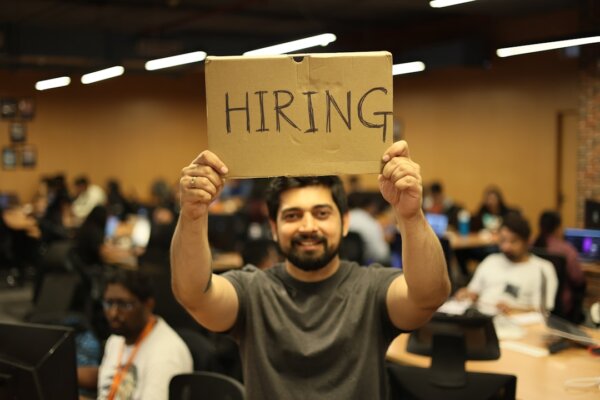
Photo by Stone John on Unsplash
<h1>The Tech Tsunami: Navigating the Global Layoff Wave Across Tech Giants</h1>
<p>The global technology sector, long seen as an unstoppable engine of growth and innovation, has recently been rocked by a series of unprecedented workforce reductions. In what many are calling a “Tech Tsunami,” thousands of employees have been laid off across some of the world’s most prominent tech giants, sending shockwaves through the industry and beyond. This isn’t just a blip on the radar; it’s a significant shift that demands attention, understanding, and a forward-looking perspective. The speed and scale of these layoffs have left many questioning the stability of a sector once synonymous with endless opportunity and rapid expansion.</p>
<h2>An Unprecedented Scale: The Global Purge</h2>
<p>Over the past year, and particularly in recent months, the headlines have been dominated by news of mass layoffs from companies that were, until recently, aggressively expanding. From Silicon Valley stalwarts to burgeoning European innovators and Asian tech powerhouses, no corner of the globe seems immune. Major players like Google, Amazon, Microsoft, Meta, and Salesforce have all announced significant workforce reductions, often impacting thousands of employees at a time. These aren’t just isolated incidents; they represent a collective recalibration, a stark contrast to the hiring frenzies witnessed during the pandemic years. The sheer volume of job losses signifies a fundamental shift in strategy and economic outlook for these behemoths, affecting engineers, marketers, product managers, and support staff alike. The ripple effect extends beyond individual companies, influencing startups and smaller firms that often rely on the health of the larger ecosystem. <a href=”#”>Understanding the scale</a> of this purge is crucial for grasping its implications for the future of work in technology.</p>
<h2>Underlying Currents: Why the Sudden Contraction?</h2>
<p>The reasons behind this widespread contraction are multifaceted, stemming from a confluence of macroeconomic pressures and internal strategic shifts. Firstly, the <strong>post-pandemic hangover</strong> plays a significant role. Many tech companies experienced explosive growth during the COVID-19 lockdowns, fueled by a surge in demand for digital services. This led to aggressive overhiring, with companies anticipating sustained growth that ultimately proved unsustainable as the world reopened and consumer habits normalized. Secondly, the <strong>global economic slowdown</strong> and rising inflation have forced businesses and consumers to tighten their belts. This translates to reduced advertising spend, lower enterprise software budgets, and a general cautiousness that directly impacts tech companies’ revenue streams. <a href=”#”>Interest rate hikes</a> by central banks further exacerbate the situation, making borrowing more expensive and dampening investment in high-growth, often unprofitable, ventures. Lastly, the rapid advancement of <strong>artificial intelligence (AI)</strong> is beginning to reshape operational efficiencies. While AI promises new opportunities, it also means that certain tasks can be automated, potentially reducing the need for human capital in specific roles. This technological evolution, combined with a renewed focus on profitability over pure growth, is driving companies to streamline operations and optimize their workforce.</p>
<h2>The Human Impact and Navigating the New Landscape</h2>
<p>Beyond the financial reports and stock market analyses, the most profound impact of this “Tech Tsunami” is on the thousands of individuals and families affected. The emotional toll of sudden job loss, coupled with an increasingly competitive job market, is immense. Many laid-off employees, particularly those with specialized skills, are finding themselves competing for fewer roles, often against highly qualified peers. However, this period of disruption also presents opportunities for reflection and recalibration. <a href=”#”>Reskilling and upskilling</a> in emerging areas like AI, cybersecurity, and advanced data analytics are becoming paramount. The demand for professionals adept at leveraging new technologies remains strong, even as older roles diminish. Furthermore, this wave of layoffs might foster a new era of entrepreneurship, as talented individuals, armed with experience from industry giants, venture out to create their own startups. The tech community is also witnessing a surge in support networks, peer mentorship, and resource sharing, underscoring the resilience and collaborative spirit inherent in the sector.</p>
<h2>Looking Ahead: Adaptability is Key</h2>
<p>The current wave of tech layoffs is a stark reminder that even the most dynamic industries are subject to economic cycles and transformative forces. While painful in the short term, this period of adjustment could lead to a leaner, more efficient, and ultimately more sustainable tech ecosystem. Companies are now scrutinizing their investments more closely, focusing on core competencies and demonstrable ROI. For professionals, the message is clear: continuous learning, adaptability, and a proactive approach to career development are no longer optional but essential. The “Tech Tsunami” is not merely a destructive force; it is also a powerful catalyst for change, urging us all to prepare for the evolving demands of the digital economy. <a href=”#”>Staying informed</a> and agile will be crucial for navigating the opportunities that emerge from this challenging period.</p>
<h3>Conclusion</h3>
<p>The recent global layoffs across tech giants mark a significant turning point for the industry. While the immediate impact is undoubtedly challenging for many, it also prompts a necessary re-evaluation of growth strategies, workforce planning, and skill development. As the tech landscape continues to evolve, driven by economic shifts and technological advancements like AI, adaptability will be the most valuable currency. What steps are you taking to navigate this new tech reality? Share your thoughts and strategies in the comments below.</p>