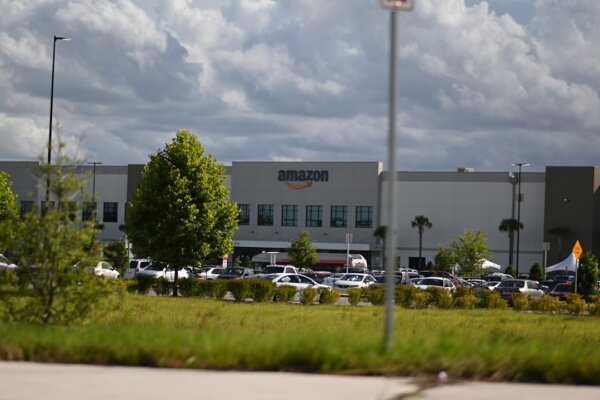
The tech world is once again buzzing with significant news from one of its titans. Amazon has confirmed another substantial round of layoffs, impacting thousands of employees within its critical Cloud and AI sectors. This latest workforce reduction is part of a broader “strategic realignment,” as the company navigates an evolving technological landscape and intensifies its focus on efficiency and future growth areas.
The Scope of the Cuts: AWS and Beyond
The recent announcement underscores a continuing trend of workforce adjustments at Amazon. While specific numbers for the latest round were not fully disclosed, reports indicate thousands of roles have been affected across various divisions since late 2023, extending into 2024, 2025, and now 2026. The Amazon Web Services (AWS) division, the company’s highly profitable cloud computing arm, has been particularly impacted. Departments such as sales, marketing, global services, and even training and certification teams within AWS have seen significant reductions. Additionally, teams focused on physical stores technology and some AI-related roles have also been affected. This isn’t an isolated incident but rather a continuation of Amazon’s efforts to streamline its operations and reduce what it perceives as duplication and inefficiency across its vast enterprise.
Strategic Realignment: A Leaner, Faster Amazon
Amazon’s leadership has framed these layoffs as a necessary component of a “strategic realignment.” CEO Andy Jassy has consistently emphasized the importance of being “lean, flat, and moving fast” to remain agile in a rapidly changing industry. This strategic shift aims to optimize resources and ensure the company is “best set up to deliver on goals”. The move is also seen as a post-pandemic adjustment, correcting for the significant hiring surge that occurred when online demand skyrocketed. By shedding layers of management and bureaucracy, Amazon intends to increase ownership and accelerate its pace of innovation. This means a more focused approach, channeling investments and talent into core strategic areas that promise maximum long-term impact for customers and the business.
The Dual Role of AI: Driving Cuts and Investment
Perhaps the most compelling aspect of this realignment is the intricate role of AI. While Amazon spokesperson Brad Glasser initially clarified that some recent layoffs were not *directly* tied to AI, the broader narrative from Amazon’s leadership, including CEO Andy Jassy, strongly links these workforce changes to the transformative power of generative AI. Jassy has openly stated that AI and automation will fundamentally reshape work, leading to “fewer people doing some of the jobs that are being done today and more people doing other types of jobs”. This suggests that AI-driven efficiencies are enabling the company to automate routine tasks and streamline decision-making, thereby reducing the need for certain corporate positions.
Simultaneously, Amazon is making colossal investments in AI infrastructure and data centers, pouring an estimated $100 billion to $200 billion into these technologies. This massive capital expenditure highlights a strategic pivot towards an -driven future, where innovation in cloud infrastructure, machine learning, and emerging technologies is paramount. For employees impacted by these layoffs, Amazon has committed to providing support, including continued pay and benefits for at least 60 days in the U.S., severance packages, transitional healthcare coverage, and assistance with job placement. Crucially, Amazon is still actively hiring in critical growth areas, signaling a shift in the types of skills and roles it prioritizes rather than a complete halt to recruitment.
Looking Ahead: An Evolving Tech Landscape
Amazon’s latest layoffs in its Cloud and AI sectors are a stark reminder of the dynamic and often challenging nature of the tech industry. This strategic realignment, driven by a quest for efficiency and a massive bet on , reflects a broader trend across big tech companies. The shift isn’t merely about cost-cutting; it’s about fundamentally re-architecting the workforce for a future where AI and automation play an even more central role. For professionals in the tech space, it underscores the continuous need for adaptability, upskilling, and a keen eye on emerging technologies.
What are your thoughts on Amazon’s strategic realignment and the impact of AI on the tech workforce? Share your perspectives in the comments below!