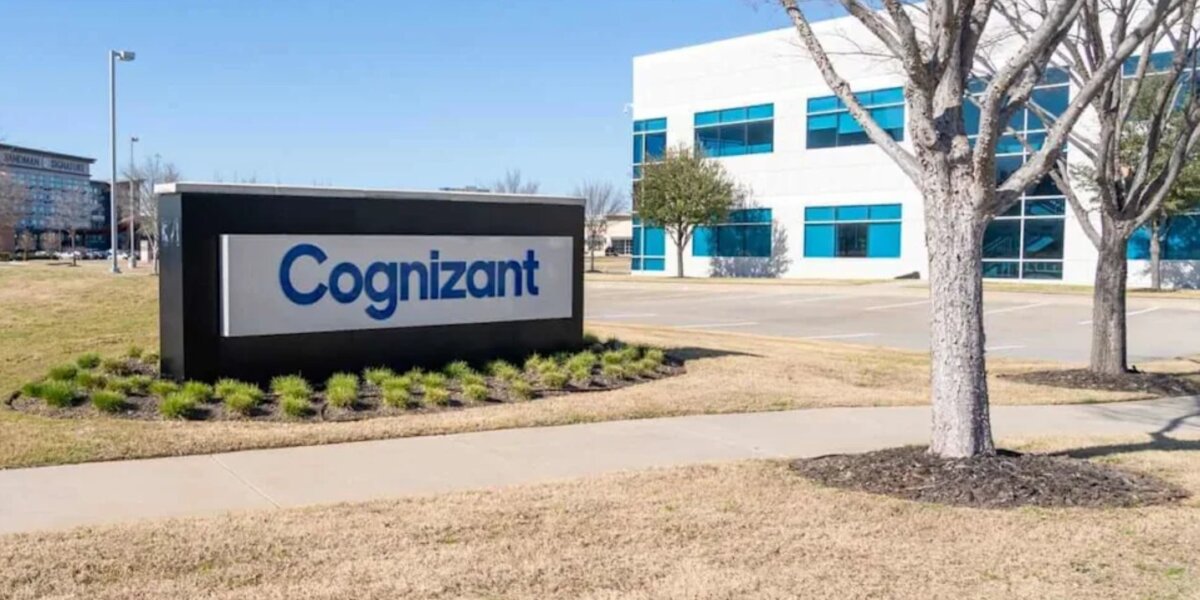
The global technology landscape is currently witnessing a massive regulatory shake-up. In July 2026, the United States Department of Labor launched an unprecedented and aggressive investigation into alleged fraud within the H-1B and PERM visa programs. At the center of this storm is Cognizant Technology Solutions, a multinational IT services and consulting giant. For years, the tech industry has relied heavily on skilled foreign labor, but recent developments suggest that the era of unchecked visa utilization may be coming to an abrupt end.
The Cognizant immigration fraud investigation is not just a standalone event; it is the culmination of years of legal battles, whistleblower complaints, and growing political pressure regarding the displacement of American workers. For tech professionals, IT outsourcing firms, and enterprise businesses that rely on global talent, understanding the nuances of this probe is absolutely critical.
In this article, we will break down the core allegations, provide a detailed timeline of Cognizant’s visa controversies, and explore what this federal crackdown means for the future of the tech industry.
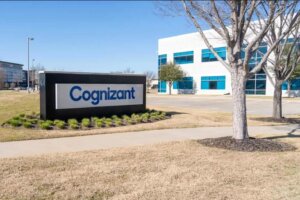
The Core Allegations: What is the Cognizant Visa Fraud Probe About?
The latest federal investigation, spearheaded by the US Department of Labor’s Office of Inspector General (OIG), targets systematic abuses of two critical employment-based immigration programs: the H-1B visa (for specialty occupations) and the PERM labor certification process (the first step toward employment-based permanent residency or green cards).
In early July 2026, Inspector General Anthony D’Esposito announced that the OIG had already issued dozens of subpoenas as part of a sweeping crackdown. During his public statements, D’Esposito explicitly named Cognizant, revealing that whistleblower complaints had repeatedly pointed to the IT giant’s practices. This initiative is being heavily supported by the Task Force to Eliminate Fraud, led by US Vice President JD Vance.
The allegations being investigated across the IT sector are severe. Authorities are looking into:
- Fraudulent Visa Applications: Submitting applications for non-existent roles or “fake jobs” to secure visas.
- Visa Category Misuse: Bringing workers to the US on L-1 (intracompany transferee) or B-1 (business visitor) visas to perform H-1B level work, thereby avoiding the higher fees and strict wage requirements associated with the H-1B program.
- Wage Suppression and Exploitation: Forcing foreign workers into wage-kickback arrangements or paying below-market rates, which ultimately undercuts American tech workers.
- Discriminatory Hiring Practices: Creating a “pattern or practice” of benching and terminating US citizens in favor of “visa-ready” foreign nationals.
While Cognizant has stated in the past that it complies with all laws and regulations, the sheer scale of this federal audit suggests that the US government is no longer settling for surface-level compliance checks.
A Detailed Timeline of Cognizant’s Immigration and Visa Controversies
To fully grasp the magnitude of the 2026 investigation, it is essential to look at the historical context. Cognizant’s relationship with US immigration authorities has been fraught with legal challenges for nearly a decade. Here is a detailed timeline of the events leading up to the current crisis.
2017: The Initial Discrimination Lawsuit
The seeds of the current investigation were planted when a group of US workers filed a class-action lawsuit against Cognizant. The plaintiffs alleged that the company systematically discriminated against non-Indian and non-South Asian employees. They claimed that Cognizant’s “benching” system—where employees wait for new project assignments—was manipulated to disproportionately terminate American workers while protecting H-1B visa holders.
November 2021: Financial Settlements and Growing Scrutiny
While not directly tied to visa fraud, Cognizant agreed to a $95 million settlement in a shareholder lawsuit related to overseas bribery and corporate governance. This massive settlement put the company’s operational ethics under a microscope, drawing the attention of federal regulators and setting the stage for deeper audits of their labor practices.
October 2024: A Landmark Discrimination Verdict
In a devastating blow to the IT outsourcing model, a California federal jury found Cognizant liable for intentional discrimination against non-Indian workers. The jury concluded that the company engaged in a clear pattern of favoring “visa-ready” South Asian nationals. Statistical evidence presented at the trial showed that non-Indian employees were terminated at a rate 8.4 times higher than their Indian counterparts. This verdict proved that the allegations of visa-driven discrimination were systemic.
Early 2026: The Whistleblower Case is Reopened
Legal pressure intensified when a US federal appeals court agreed to reopen a False Claims Act lawsuit filed by former Cognizant executive Jean-Claude Franchitti. Franchitti alleged that Cognizant intentionally defrauded the US government by flying workers into the country on L-1 and B-1 visas to perform H-1B work. By doing so, the company allegedly dodged expensive H-1B filing fees and bypassed prevailing wage requirements, depriving the government of payroll tax revenue.
July 2026: The Federal Crackdown Begins
The situation reached a boiling point. The US Department of Labor officially launched its most aggressive investigation into H-1B and PERM visa fraud to date. Inspector General Anthony D’Esposito confirmed that dozens of subpoenas were issued and publicly named Cognizant as a primary subject of whistleblower complaints. Vice President JD Vance’s anti-fraud task force promised to track down every lead, signaling a strict enforcement policy for immigration fraud in the tech sector.
The Broader Impact on the Tech Industry and IT Outsourcing
The Cognizant immigration fraud investigation is sending shockwaves throughout the entire global tech ecosystem. For decades, the IT services industry has relied on a labor arbitrage model. By leveraging the H-1B visa program, these companies could seamlessly move highly skilled, lower-cost talent to the United States to service enterprise clients.
This federal probe threatens to dismantle that model. If the Department of Labor successfully proves that these companies engaged in systemic fraud, the repercussions will be severe. We can expect to see:
- Stricter Compliance and Auditing: Tech companies will face rigorous, unannounced audits. The cost of compliance will skyrocket, forcing IT firms to raise their prices and rethink their staffing strategies.
- A Shift to Local Hiring: To avoid the legal risks associated with H-1B visas, companies will be forced to invest more heavily in local US talent pools, potentially driving up demand and salaries for domestic tech professionals.
- Nearshoring over Offshoring: Enterprise businesses may pivot away from traditional offshore outsourcing, opting instead for nearshore solutions in countries that offer different, less scrutinized visa pathways.
What This Means for Tech Professionals and H-1B Visa Holders
While the investigation targets corporate fraud, the human cost cannot be ignored. Genuine, highly skilled tech professionals who rely on the H-1B and PERM programs are currently facing unprecedented anxiety.
In the short term, the Department of Labor’s heightened scrutiny will likely result in longer processing times, an increase in Requests for Evidence (RFEs), and a higher rate of visa denials. Tech workers currently employed by IT consulting firms may find their immigration status in jeopardy if their employers are found guilty of fraud.
However, in the long term, this crackdown could actually benefit legitimate foreign workers. By eliminating bad actors who exploit the system through wage-kickbacks and forced labor, the government can ensure that the H-1B program returns to its original purpose: attracting top-tier global talent and compensating them fairly at true market rates.
Navigating the Future of Global Tech Talent
The ongoing Cognizant immigration fraud investigation marks a watershed moment for the technology sector. As federal authorities issue subpoenas and whistleblowers come forward, the entire IT outsourcing industry must pivot toward transparency, ethical hiring, and strict regulatory compliance.
For tech leaders, HR professionals, and enterprise decision-makers, staying informed is no longer optional—it is a business imperative. The fallout from this investigation will reshape global talent acquisition for years to come.
Want to stay ahead of the curve on tech policy, immigration changes, and industry trends? Subscribe to our newsletter today and never miss an update on the stories shaping the future of work.