Photo by Bernd 📷 Dittrich on Unsplash
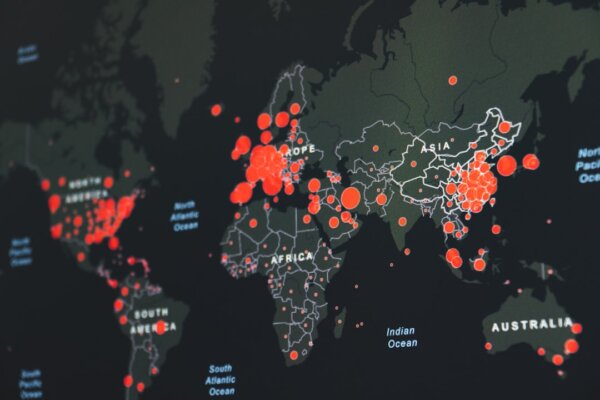
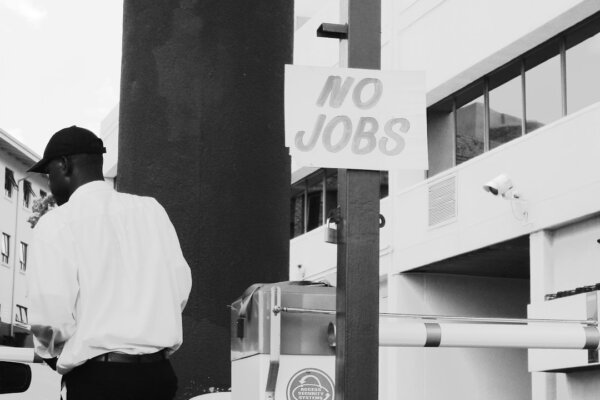
The global job market is once again sending shivers down the spines of professionals across multiple sectors. In the last 24 hours, a wave of mass layoffs has swept through the technology, manufacturing, and services industries, leaving thousands facing uncertain futures. This isn’t merely a ripple effect; it’s a profound restructuring driven by macroeconomic pressures, shifting consumer demands, and, most notably, the relentless march of artificial intelligence.
The sheer speed and breadth of these job cuts underscore a critical moment for the global workforce. From Silicon Valley giants to industrial factories and customer service centers, companies are recalibrating their operations, prioritizing efficiency, and fundamentally rethinking the human-machine dynamic. The question on everyone’s mind is clear: What does this mean for the future of employment?
The Tech Reckoning: AI’s Double-Edged Sword
The technology sector, long seen as an engine of relentless growth and innovation, is currently experiencing its deepest workforce adjustments in years. Just yesterday, news broke of Amazon cutting a staggering 30,000 roles across two rounds, marking the deepest layoffs in the company’s history. These reductions are explicitly tied to a broader restructuring around artificial intelligence, with automation replacing existing roles and a strategic shift towards hiring in lower-cost countries.
Not to be outdone, Microsoft also announced significant layoffs, affecting 4,800 employees, with over 30% of these cuts impacting its Xbox division. These moves are part of a broader corporate reorganization, with Microsoft acknowledging that AI is fundamentally changing how the company operates. This trend is not isolated; Oracle, a major player in cloud and enterprise software, is responsible for nearly 20% of all tech job cuts in 2026 and is reportedly planning to eliminate between 20,000 and 30,000 jobs globally to fund its massive AI infrastructure expansion. Other tech giants like Meta and Cisco have also seen significant workforce reductions this year, often citing AI adoption as a primary driver for these strategic adjustments.
Overall, 2026 has seen an astonishing 267 layoff events in the tech sector alone, impacting over 185,000 workers as of July 12, averaging nearly a thousand job losses per day. A striking 56% of these layoff events explicitly cite AI or automation as a contributing factor, affecting more than 156,000 individuals. This demonstrates how AI is not just enhancing capabilities but also actively reshaping the workforce, making certain roles redundant while creating new demands for specialized AI skills. , , /AI-driven-restructuring
Manufacturing’s Shifting Landscape
The manufacturing sector, a cornerstone of many economies, is also grappling with significant upheaval. Yesterday, reports confirmed the closure of a 55-year-old Bay Area electronics company, LeeMah Electronics, resulting in over 200 permanent layoffs as it shuts down its plant. Similarly, the Dass Group announced the closure of its footwear factory in Argentina, impacting 150 jobs, citing a “critical situation facing Argentina’s domestic footwear industry” and a severe loss of competitiveness.
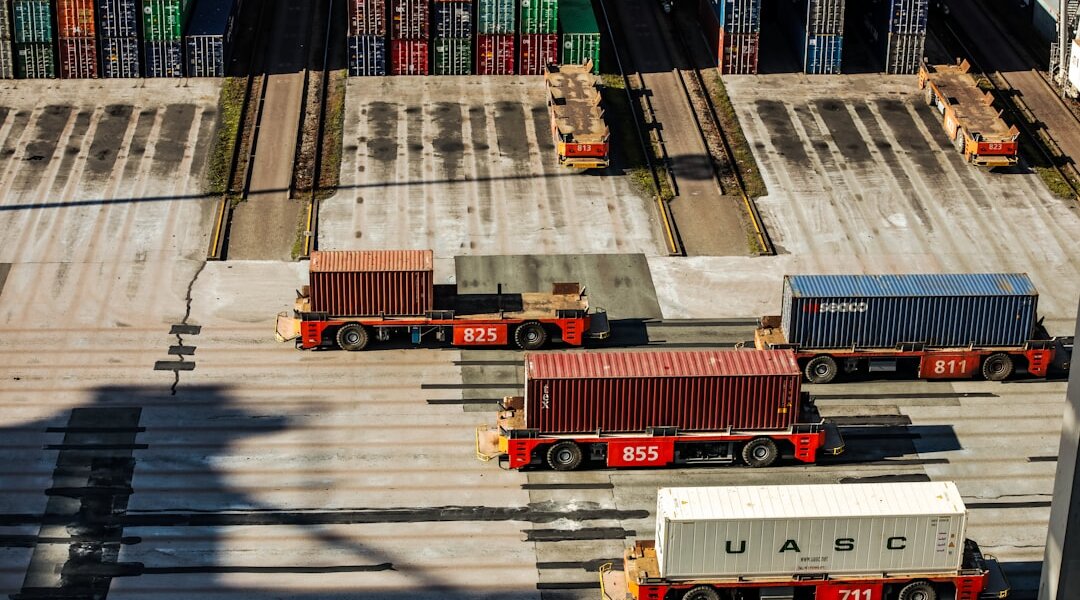
On a larger scale, automotive giant Volkswagen is currently weighing proposals for up to 50,000 additional job cuts, building on 19,000 roles already targeted by mid-2026. These extensive reductions are a response to intense global competition, high manufacturing costs in Germany, and lags in the transition to electric vehicles. While protests have erupted from powerful labor unions, the company’s aggressive restructuring plans highlight the immense pressure on traditional industries to adapt or face severe consequences. , , /industrial-automation
Services Sector Under Pressure
Even the seemingly stable services sector is not immune to this wave of workforce optimization. While the numbers might be smaller than tech, the impact is significant. UPS, the global logistics and delivery service, announced plans earlier this year to cut up to 30,000 operational jobs throughout 2026, primarily through attrition and voluntary separation programs, alongside the closure of 24 facilities. This move signals a broader trend of companies seeking greater efficiency in their service delivery models.
Financial services are also feeling the pinch; Morgan Stanley, for instance, cut 3% of its workforce, or roughly 2,500 employees, across its various business divisions earlier in 2026. Meanwhile, companies like Groupon are explicitly reorganizing to become “AI-native,” planning to reduce up to 400 positions globally by the end of Q3 2026, with the aim of reinvesting savings into AI infrastructure and talent. This indicates that even roles traditionally seen as requiring human interaction are increasingly being evaluated for automation and AI integration, pushing the boundaries of what is considered a “service” job. , , /service-optimization
Conclusion: Navigating the New Normal
The past 24 hours have been a stark reminder of the volatile nature of today’s job market. The mass layoffs across technology, manufacturing, and services are not isolated incidents but rather symptoms of a larger, ongoing economic and technological transformation. Artificial intelligence, while promising unprecedented productivity gains and new opportunities, is undeniably a major catalyst for the displacement of existing roles. Companies are under immense pressure to cut costs, streamline operations, and pivot towards more agile, AI-driven models.
For individuals, this era demands unprecedented adaptability and a commitment to lifelong learning. Reskilling and upskilling, particularly in areas complementary to AI, are no longer optional but essential for career longevity. For businesses, the challenge lies in managing this transition ethically and strategically, ensuring that the pursuit of efficiency doesn’t come at the cost of human potential. The job market is in a state of flux, and only those who embrace change and prepare for the future of work will thrive. What steps are you taking to adapt to this rapidly evolving landscape?