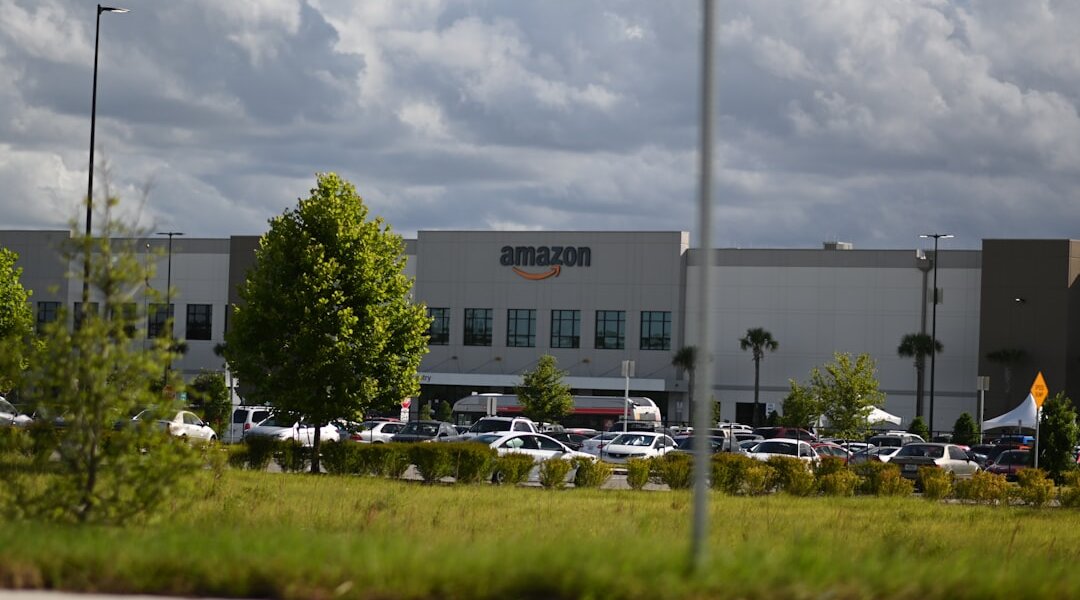
Photo by Daniel Holland on Unsplash
The global technology sector continues to grapple with a period of intense transformation, often characterized by significant workforce reductions. Amazon, a titan in e-commerce and cloud computing, is no exception, with its Artificial Intelligence (AI) division reportedly undergoing sweeping layoffs as part of a “strategic realignment.” This move underscores a fascinating paradox: while companies like Amazon are investing unprecedented sums into AI, they are simultaneously shedding jobs in various departments, reshaping the future of work in real-time.
The Shifting Sands of Amazon’s Workforce
Amazon has been a prominent player in the ongoing tech industry restructuring, with a staggering number of employees impacted since 2022. The company has laid off over 57,000 employees since 2022, marking it as one of the most aggressive job cutters among major tech groups. In 2026 alone, Amazon cut approximately 16,000 corporate roles globally. These reductions have spanned various critical divisions, including:
- Amazon Web Services (AWS)
- Alexa AI and Devices
- Prime Video and Studios
- Human Resources (HR)
Amazon CEO Andy Jassy has consistently framed these layoffs not merely as cost-cutting measures, but as part of a broader strategic effort to “reduce layers, increase ownership, and remove bureaucracy” within the company. The goal, according to Jassy, is to achieve “efficiency gains” from artificial intelligence, which is expected to reduce the total corporate workforce over the next few years as the company also unwinds pandemic-era hiring. This strategic realignment aims to streamline operations and focus resources on key growth areas, particularly in AI.
AI as the Double-Edged Sword
The narrative surrounding Amazon’s layoffs is inextricably linked to the rise of artificial intelligence. AI is cited as a primary driver for workforce reductions across the tech industry, and Amazon is no different. The increased adoption of AI and automation is making certain roles redundant, leading to a shift in required skill sets and organizational structures.
However, this reduction in headcount in some areas exists alongside a colossal investment in AI infrastructure. Amazon plans to invest approximately $200 billion in capital expenditures in 2026, primarily focused on artificial intelligence infrastructure for AWS. This massive investment underscores Amazon’s commitment to becoming an “essential utility provider for the artificial intelligence economy”.
The company’s AI revenue run rate for AWS already exceeded $15 billion in the first quarter of 2026, growing at an astonishing rate. Furthermore, Amazon is aggressively developing its own custom AI chips, including Graviton, Trainium, and Nitro, to power its AI ambitions and reduce reliance on external providers. In a significant organizational shift, Amazon also established a new in-house AI organization reporting directly to the CEO, responsible for its Nova AI models, silicon development, and quantum computing, signaling a deeper integration of AI research into the company’s core strategy.
A Macro Trend: Beyond Amazon’s Walls
Amazon’s situation is not an isolated incident but rather a microcosm of a broader, industry-wide phenomenon. The “tech bloodbath” continues globally, with nearly 245,000 tech jobs cut in 2025, and AI being a significant cause of layoffs, accounting for nearly 55,000 job cuts in the U.S. in 2025. In 2026, 56% of layoff events explicitly cited AI, automation, or machine learning as a driving force, impacting approximately 156,270 workers.
Major tech firms, including Meta, Microsoft, Oracle, and Salesforce, have also undergone substantial headcount reductions, often citing AI-driven restructuring initiatives. This widespread trend reflects several factors:
- Post-Pandemic Correction: Many companies overhired during the COVID-19 pandemic, leading to a necessary recalibration of workforce size.
- Macroeconomic Pressures: Economic uncertainties and fluctuating market conditions continue to influence business decisions and drive efficiency efforts.
- Shift to Profitability: The industry is pivoting from rapid growth at all costs to a greater focus on profitability and operational efficiency.
- AI-First Operations: Companies are restructuring teams around AI-first operations, leading to job cuts in roles that can be automated or made more efficient by AI. This impacts traditional engineering, product, operations, and support teams.
The job market is experiencing a significant transformation, with a growing demand for roles focused on AI development, deployment, and management, while roles involving repetitive operational tasks face increased pressure.
Conclusion
The ongoing layoffs at Amazon’s AI division, framed as a “strategic realignment,” perfectly encapsulate the complex and often contradictory forces at play in the modern tech industry. While thousands of jobs are being eliminated due to efficiency drives and AI adoption, the company is simultaneously pouring billions into building the very infrastructure that will power the next generation of artificial intelligence. This dual strategy highlights a clear vision for an AI-driven future, but one that comes with significant short-term human cost.
For professionals in the tech sector, this period demands adaptability and a continuous commitment to upskilling in AI and related fields. For companies, it necessitates a thoughtful approach to transition and support, recognizing the profound impact of these strategic shifts on their workforce. The tech bloodbath may continue, but it is also paving the way for a redefined, AI-powered industrial landscape.
What are your thoughts on this strategic realignment and its impact on the future of work? Share your insights in the comments below!