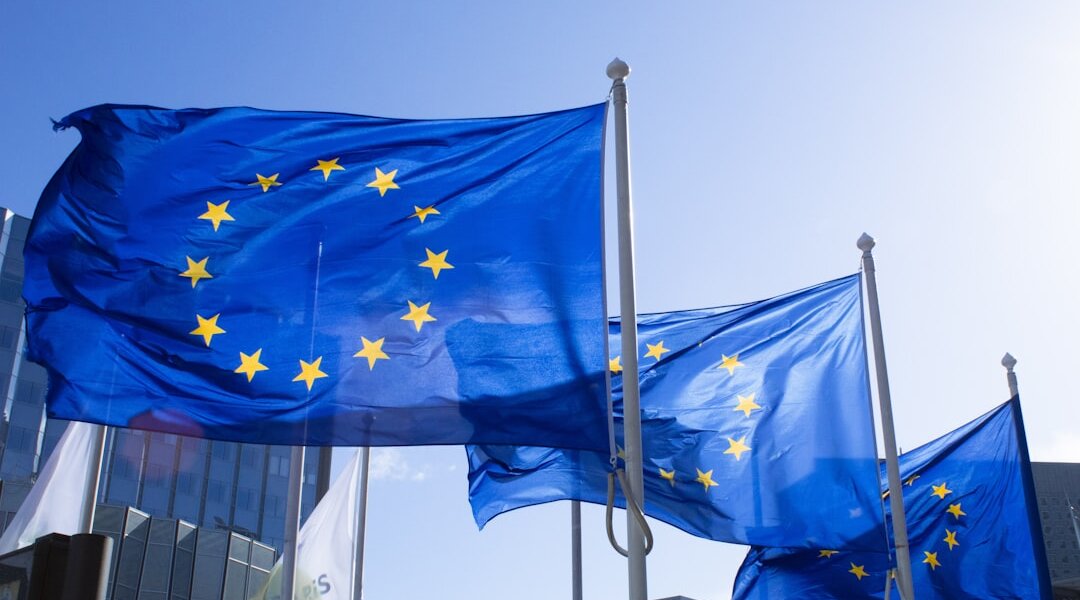
Photo by ALEXANDRE LALLEMAND on Unsplash
EU Strikes Back: Apple Loses Critical DMA Battle, Opening Floodgates for Big Tech Scrutiny!
In a landmark decision that sent ripples across the global technology industry, the European Union’s General Court on July 8, 2026, delivered a resounding blow to Apple. The court dismissed Apple’s legal challenges against its “gatekeeper” designation under the Digital Markets Act (DMA), effectively upholding the EU’s stringent rules aimed at fostering competition in the digital realm. This ruling is not just a setback for Cupertino; it’s a powerful signal that the EU is
serious about reining in Big Tech’s market dominance
, and the implications for other industry giants are profound.
The Digital Markets Act: Leveling the Digital Playing Field
The Digital Markets Act (DMA), which became applicable for the most part on May 2, 2023, is the EU’s ambitious legislative framework designed to make digital markets fairer and more contestable. Its core objective is to prevent large online platforms, dubbed “gatekeepers,” from abusing their significant market power and to ensure a level playing field for smaller businesses and consumers.
Companies are designated as gatekeepers if they have a significant impact on the internal market, provide a core platform service that acts as an important gateway between businesses and consumers, and enjoy an entrenched and durable market position. The DMA imposes a list of “dos and don’ts” on these gatekeepers, including obligations to allow third-party app stores, enable sideloading, ensure interoperability, and prevent self-preferencing of their own services. Non-compliance can lead to hefty fines, potentially up to
10% of a company’s global annual turnover
, with even higher penalties for repeated infringements.
Apple’s “Walled Garden” Under Siege
Apple, alongside other tech titans like Alphabet, Amazon, Meta, Microsoft, and ByteDance, was officially designated as a gatekeeper in September 2023 for several core platform services, including its iOS operating system and the App Store. Unsurprisingly, Apple challenged this designation, arguing that the DMA’s provisions
“go beyond what is lawful and proportionate”
and could compromise user privacy and security.
At the heart of Apple’s legal battle was its contention that its various App Stores across different devices (iPhone, iPad, Mac, Apple TV, Apple Watch) should be treated as separate services. However, the EU General Court rejected this argument, concluding that
irrespective of the device
, these stores serve the same purpose of connecting developers with end-users for software distribution. The court also found Apple’s challenge regarding iMessage inadmissible, as the messaging service is not currently subject to DMA obligations.
This ruling solidifies Apple’s gatekeeper status for iOS and the App Store, meaning the company must adhere to the DMA’s obligations. This isn’t Apple’s first skirmish with the DMA; in April 2025, the company was fined
€500 million
for restricting app developers from “steering” users towards alternative, cheaper offers outside its App Store. The latest court decision further strengthens the EU’s legal foundation for enforcing these crucial market-opening obligations.
The Domino Effect: Broader Scrutiny for Big Tech
This judicial victory for the EU extends far beyond Apple. It’s a clear signal that the bloc is unwavering in its commitment to digital competition. The ruling establishes a significant precedent, empowering the European Commission to identify and impose obligations on core platform services without years of protracted antitrust litigation.
Other designated gatekeepers are already feeling the heat. Alphabet faces ongoing scrutiny, particularly regarding its Android operating system and search practices. Meta is appealing a €200 million DMA fine and navigating enforcement proceedings related to its advertising model. Furthermore, Amazon Web Services and Microsoft Azure are under active investigation for potential gatekeeper designation in cloud computing services, despite not meeting initial quantitative thresholds. ByteDance also continues to face DMA compliance scrutiny around TikTok. The common thread is clear: the EU is systematically
dismantling the “walled gardens”
that have allowed these tech giants to dominate their respective markets.
What This Means for Developers and Consumers
For developers, this ruling is a significant win. It promises a less restrictive environment, enabling them to build and distribute software in ecosystems previously tightly controlled by Apple. This includes the potential for unfettered software installation (sideloading) and
effective and free-of-charge interoperability
between their software and Apple’s platforms.
Consumers in the EU can look forward to more choice, greater innovation, and potentially fairer prices. The DMA aims to provide the ability to transfer data easily between services, select alternative search engines and browsers, and have more control over personal data. While Apple has expressed concerns about privacy and security, proponents of the DMA argue that it will ultimately foster a more
user-centric digital ecosystem
.
The Future of Digital Markets: A More Open Landscape
The EU’s sustained efforts, underscored by this latest court decision against Apple, mark a pivotal moment in the regulation of digital markets. The era of unchecked dominance by a few powerful tech companies is steadily drawing to a close, at least within the European Union. This ruling reinforces the notion that gatekeepers must adapt their business practices to promote genuine competition and offer more equitable opportunities for all players.
As the DMA continues to be enforced and new challenges arise, the digital landscape will undoubtedly evolve. What are your thoughts on this significant development? How do you think this ruling will impact your experience as a tech user or developer in Europe and beyond? Share your insights in the comments below!