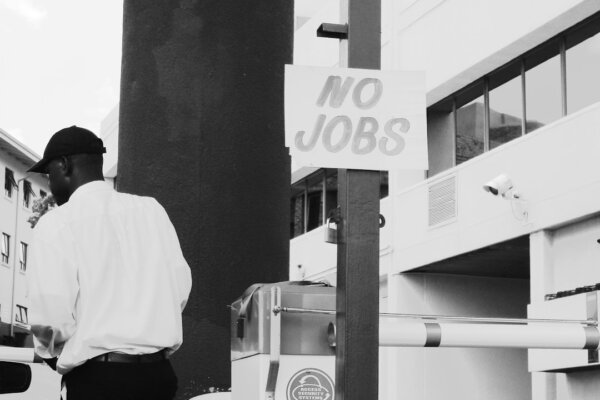
Photo by Markus Spiske on Unsplash
The news cycle often brings headlines about economic shifts, but every so often, a story emerges that truly captures the seismic changes occurring beneath the surface. Imagine a scenario where, almost overnight, thousands of individuals across the vibrant tech sector, the foundational manufacturing industry, and the expansive services economy find themselves without a job. This isn’t just a localized tremor; it’s a shockwave, sending ripples of uncertainty through the global workforce. Such rapid, widespread layoffs—whether concentrated in a single dramatic 24-hour period or accumulating over a short span—force us to ask critical questions: What does this mean for the stability of our careers, the evolution of industries, and, ultimately, your future?
The Epicenter: Unpacking Layoffs Across Key Sectors
While the immediate impact of mass layoffs is deeply personal for those affected, understanding the underlying causes reveals broader economic trends. Each sector, though seemingly distinct, is interconnected and susceptible to various pressures:
- Tech’s Reckoning: The tech industry, long seen as an unshakeable engine of growth, has faced a significant correction. Years of aggressive hiring, fueled by low interest rates and a pandemic-driven digital acceleration, led to overstaffing in many companies. Now, with rising capital costs, investor demand for profitability over growth, and the rapid advancement of AI and automation technologies, firms are streamlining operations. Roles once deemed essential are being re-evaluated, leading to significant workforce reductions. This isn’t just about economic cycles; it’s about a fundamental shift in how tech companies operate and what skills they value.
- Manufacturing’s Metamorphosis: The manufacturing sector has been in a state of continuous transformation for decades. Recent layoffs often stem from a combination of factors: the relentless march of automation and robotics displacing manual labor, global supply chain reconfigurations, and shifts in consumer demand. Companies are investing heavily in smart factories and advanced production techniques, which, while boosting efficiency, often require a smaller, more specialized workforce.
- Services Under Strain: The services sector, encompassing everything from retail and hospitality to finance and professional services, is highly sensitive to economic sentiment and consumer spending. Inflationary pressures, rising interest rates impacting discretionary spending, and the increasing adoption of digital self-service solutions are all contributing to job cuts. Furthermore, AI is beginning to automate routine tasks in areas like customer service, data entry, and even some analytical roles, putting pressure on traditional service jobs.
Navigating the New Normal: Impact on the Workforce
Such widespread layoffs create a ripple effect that extends far beyond the individuals directly impacted. For the broader workforce, it signals a period of heightened uncertainty and increased competition. Job security, once taken for granted in certain professions, is now a dynamic concept requiring constant attention.
The psychological toll of these events cannot be overstated. Beyond the immediate financial stress, there’s the emotional burden of job searching, the potential erosion of confidence, and a pervasive sense of anxiety about the future. For those still employed, the threat of future layoffs can lead to burnout and reduced morale. Moreover, these trends accelerate the demand for new skills, creating a widening gap between the existing workforce capabilities and the evolving needs of industries. The traditional career path is increasingly giving way to a more fluid, adaptive journey.
Future-Proofing Your Career: Strategies for Resilience
In this rapidly evolving landscape, complacency is a luxury few can afford. Instead, proactive adaptation becomes the cornerstone of career resilience. Here’s how you can prepare for and thrive in this new environment:
- Embrace Lifelong Learning & Upskilling: The most critical investment you can make is in your own skills. Identify emerging technologies and in-demand skills relevant to your field (e.g., data analytics, AI/ML proficiency, cybersecurity, cloud computing, advanced manufacturing techniques). Online courses, certifications, and workshops are invaluable resources.
- Cultivate Adaptability & Soft Skills: Technical skills are crucial, but soft skills like critical thinking, problem-solving, creativity, emotional intelligence, and communication are becoming equally, if not more, vital. These are the skills that AI cannot easily replicate and that allow you to pivot effectively between roles and industries.
- Network Strategically: Your professional network is a powerful asset. Actively engage with peers, mentors, and industry leaders. Attend virtual and in-person events, participate in professional communities, and leverage platforms like LinkedIn. Strong connections can open doors to new opportunities and provide invaluable insights.
- Diversify Your Skillset & Explore New Avenues: Don’t put all your eggs in one basket. Consider how your core competencies can be applied to different industries or roles. Explore the gig economy, freelancing, or even entrepreneurship as ways to diversify your income streams and gain new experiences.
- Stay Informed: Keep a close eye on industry trends, economic forecasts, and technological advancements. Understanding the direction of your field and the broader job market will enable you to make informed decisions about your career trajectory.
The Path Forward: Adapt, Learn, Thrive
The shockwave of layoffs across tech, manufacturing, and services is a stark reminder that the future of work is dynamic and continually reshaping itself. While the immediate implications can be unsettling, it also presents an opportunity for introspection and proactive growth. The key to navigating this new era lies in embracing continuous learning, cultivating adaptability, and building a robust professional network. Your future isn’t predetermined; it’s a landscape you can actively shape through strategic preparation and an unwavering commitment to personal and professional development.
What steps are you taking to future-proof your career in this evolving landscape? Share your strategies in the comments below!