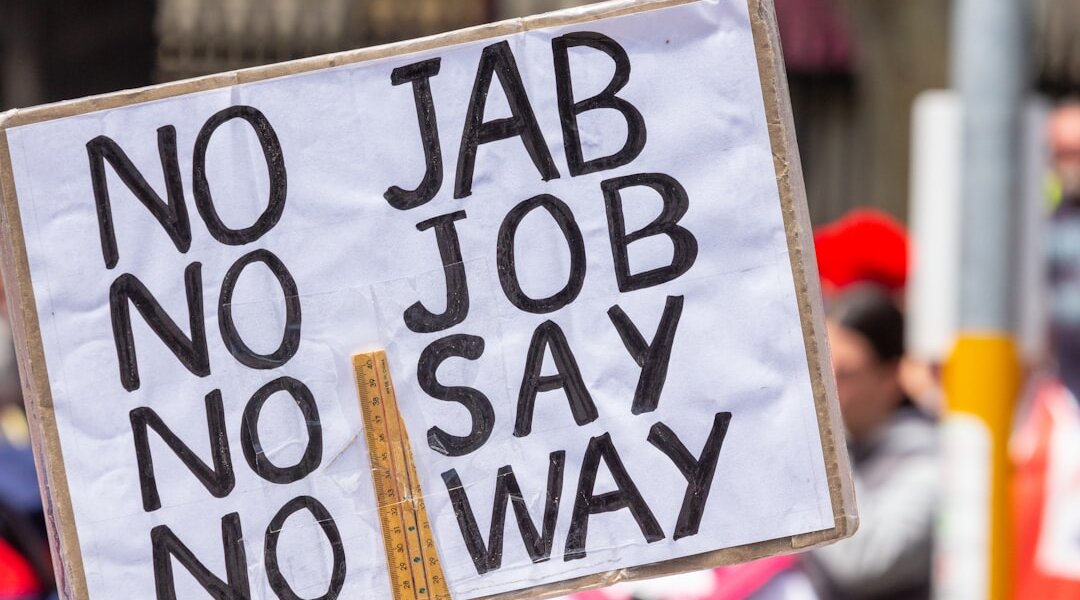
Mass Layoffs and the AI Question: Reshaping Silicon Valley’s Workforce
The tech world, long synonymous with rapid growth and abundant opportunities, is currently navigating a period of significant upheaval. Silicon Valley, the epicenter of innovation, has been rocked by a series of mass layoffs, leaving thousands of skilled professionals searching for new roles. This unsettling trend has ignited a crucial debate: Is Artificial Intelligence (AI) accelerating job displacement faster than expected, fundamentally altering the landscape of the modern workforce?
The Unsettling Trend of Silicon Valley Layoffs
Recent years have seen a stark shift in the Silicon Valley job market. Companies that once boasted aggressive hiring targets are now announcing significant workforce reductions. According to reports, over 123,000 tech jobs were cut in the first five months of 2026 alone, with May seeing nearly 29,000 roles eliminated. Major players like Meta, Snap, Block, Oracle, PayPal, and Cisco have all implemented mass layoffs. The sheer scale of these retrenchments has created a palpable sense of anxiety, with many highly paid workers feeling that their roles are increasingly temporary and their skills expendable.
While various factors contribute to these decisions, including market corrections and restructuring, AI is increasingly being cited as a primary driver. In fact, AI has become the most frequently cited reason for layoffs in the tech sector this year, according to some analyses. Companies are openly stating that AI enables them to “reduce repetitive work, increase velocity, and better support their community.” This suggests a strategic shift where automation and AI-powered tools are seen as avenues to achieve greater efficiency with smaller teams.
AI’s Double-Edged Sword: Efficiency vs. Displacement
The rise of advanced AI, particularly generative AI, has undeniable potential to boost productivity and transform industries. However, its rapid integration into workflows also presents a significant challenge to existing job structures. While some argue that the “AI jobs apocalypse” is overstated and that AI will primarily augment human work, the data on job displacement cannot be ignored. The World Economic Forum, for instance, predicts that by 2025, AI will displace 75 million jobs globally, even while creating 133 million new ones, resulting in a net gain but also significant shifts.
The impact is not uniform across all roles. Entry-level white-collar positions, often involving codifiable and repetitive tasks, appear to be most vulnerable to automation. This includes areas like data labeling, junior brokerage, and certain aspects of software engineering. Yet, it’s a nuanced picture: AI can also enhance existing jobs by improving accuracy and precision in tasks like quality control and data analysis, allowing human workers to focus on more complex, creative, and strategic endeavors.
It’s also worth noting the ongoing debate about “AI washing”—the practice of companies attributing layoffs to AI when other economic or strategic factors might be at play. Some analysts suggest that companies are reallocating resources from labor to capital, investing heavily in AI infrastructure while simultaneously reducing headcount.
Adapting to the AI-Powered Future: Reskilling and Reimagining Work
Regardless of the exact causality, the message for the workforce is clear: adaptability is paramount. The skills required for success in an AI-driven economy are evolving rapidly. Experts emphasize the critical need for both upskilling (deepening existing abilities with AI tools) and reskilling (acquiring entirely new capabilities for different roles).
Major tech companies are already responding to this imperative. Microsoft, Google, IBM, Intel, and SAP have all launched significant initiatives to train millions in AI skills. These programs focus not only on technical expertise like prompt engineering, AI ethics, and understanding Large Language Models but also on uniquely human strengths such as creativity, critical thinking, problem-solving, and collaboration.
For individuals, this means proactively embracing lifelong learning. Investing in AI literacy and hands-on tool skills is becoming a business imperative. For organizations, a comprehensive reskilling strategy is essential for retaining talent, fostering innovation, and maintaining competitiveness. The goal isn’t just to prepare for job displacement, but to unlock new opportunities and foster human-AI collaboration that drives unprecedented growth.