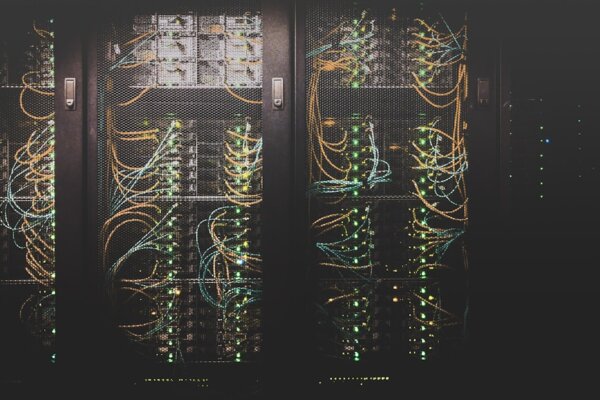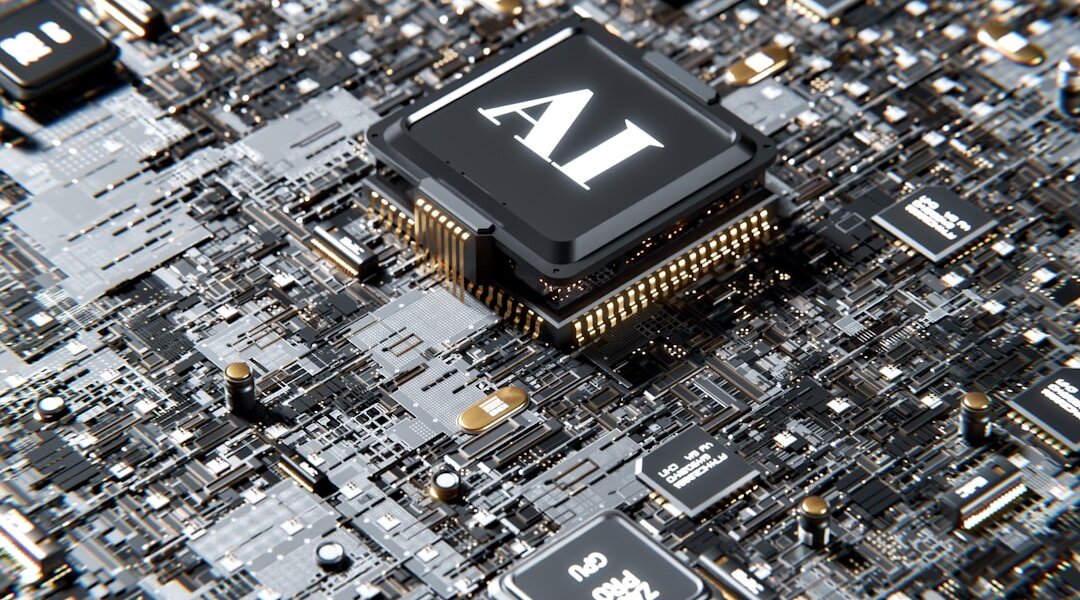
Photo by Igor Omilaev on Unsplash
The artificial intelligence revolution is no longer a distant whisper; it’s a roaring tsunami, fundamentally reshaping every industry. For the established titans of the technology world – the ‘old guard’ like Microsoft, Google, IBM, Oracle, and Intel – this isn’t just about innovation; it’s a battle for survival and, critically, for sustained profits. As we navigate the landscape leading into and through Q2 earnings season, the financial reports from these legacy tech giants offer a fascinating look at how they are adapting, investing, and strategizing to ride the AI wave rather than be swept away.
The AI Imperative: Reshaping the Core Business
The shift towards AI isn’t optional for these companies; it’s an existential imperative. Many of these firms, once rooted in traditional software, hardware, or services, are now aggressively reorienting their entire business models around artificial intelligence. This involves colossal investments in infrastructure, talent, and research and development.
For example, in Q1 2026, Microsoft’s Intelligent Cloud division saw a 17% increase in revenue, with its Azure cloud computing platform experiencing a 31% revenue surge, primarily driven by AI-based services. More than 80% of Fortune 500 companies are now adopting Azure AI services, underscoring the enterprise-wide pivot to AI. Similarly, Alphabet’s (Google) Q1 2026 results highlighted a 63% revenue growth in Google Cloud, fueled by demand for enterprise AI solutions and infrastructure. These figures demonstrate that AI is not merely an add-on but a core driver of their cloud businesses.
The pressure to integrate AI extends beyond cloud services. Companies like IBM are focusing on their Watsonx platform, with its generative AI “book of business” reaching approximately $12 billion by Q4 2025, demonstrating a decisive shift towards software and AI production. Their consulting segment is also seeing a recovery, driven by increased demand for AI services.
From Infrastructure to Innovation: Where the AI Money Flows
The AI tsunami demands a dual approach: building the foundational infrastructure and developing innovative AI-powered solutions. This means massive capital expenditures (CapEx) are becoming the norm, often impacting short-term profitability but laying the groundwork for future gains.
- Hardware Powerhouses: Companies like Intel are experiencing a resurgence. In Q1 2026, its Data Center and AI segment reported a 22% year-over-year revenue increase, with AI-driven businesses now accounting for 60% of its revenue and growing 40% year-over-year. This is driven by the surging demand for CPUs and other components essential for AI workloads. Hewlett Packard Enterprise (HPE) also reported a strong Q2 FY2026, with AI orders nearly doubling from the previous year, contributing to a $5.9 billion AI systems backlog.
- Cloud and Software Giants: Beyond infrastructure, these companies are embedding AI into their software offerings. Microsoft’s Copilot, integrated across its productivity suite, aims to redefine how enterprises work. The company plans to spend nearly $190 billion on capital expenditures in 2026, primarily for AI infrastructure, signaling immense confidence in future AI demand. Oracle, too, saw its cloud infrastructure revenue surge by 84% in Q3 FY26 due to AI demand, leading them to raise their fiscal 2027 revenue forecast. They’ve also secured significant government cloud contracts, positioning themselves as key AI computing capacity providers.
The race to build out AI capabilities is incredibly capital-intensive, with major tech players planning to spend hundreds of billions on AI infrastructure in 2026 alone.
Navigating the Profitability Paradox: Costs vs. Returns
Despite the immense revenue growth and strategic shifts, the path to profitable AI integration isn’t without its challenges. The sheer scale of investment required can put pressure on margins and free cash flow, leading to what some analysts call the “AI profitability paradox.”
For instance, while Microsoft’s Q3 FY2026 earnings were strong, some investors expressed concerns about the potential costs of sustaining the AI boom impacting profitability. Oracle’s aggressive capital investments in AI infrastructure have led to negative free cash flow in the short term, raising questions about how quickly these investments will deliver returns. This highlights a crucial theme for Q2 earnings: investors are not just looking for AI adoption, but for clear evidence of profitable business models emerging from these vast expenditures.
The market is increasingly scrutinizing capital expenditure projections, seeking assurance that today’s massive spending will translate into tomorrow’s sustainable profits. While hardware providers are currently seeing more direct financial gains from the AI build-out, software and cloud companies face a more complex journey to profitability, grappling with significant integration costs and the need to redefine pricing models.
Conclusion: The High Stakes of the AI Era
Q2 earnings season is proving to be a critical juncture for legacy tech giants. They are clearly demonstrating a deep commitment to AI, pouring billions into infrastructure and innovation to remain competitive. The early indicators show promising revenue growth in AI-driven segments for companies like Microsoft, Google, Intel, and Oracle, validating their strategic pivots. However, the immense capital expenditures and the ongoing challenge of translating AI investments into clear, sustained profitability will remain a key focus for investors.
The ‘old guard’ is not just fighting for survival; they are actively shaping the future of AI. Their ability to balance aggressive investment with disciplined execution will determine their long-term success and profitability in this transformative era. Investors and tech enthusiasts alike will continue to watch closely as these giants navigate the AI tsunami, proving that even the most established players must constantly innovate to thrive.
Stay informed on how AI is reshaping the tech landscape and impacting financial markets. Subscribe to our newsletter for the latest insights and analysis on technology trends and earnings reports. #AI #TechGiants #EarningsSeason #DigitalTransformation #FutureOfTech