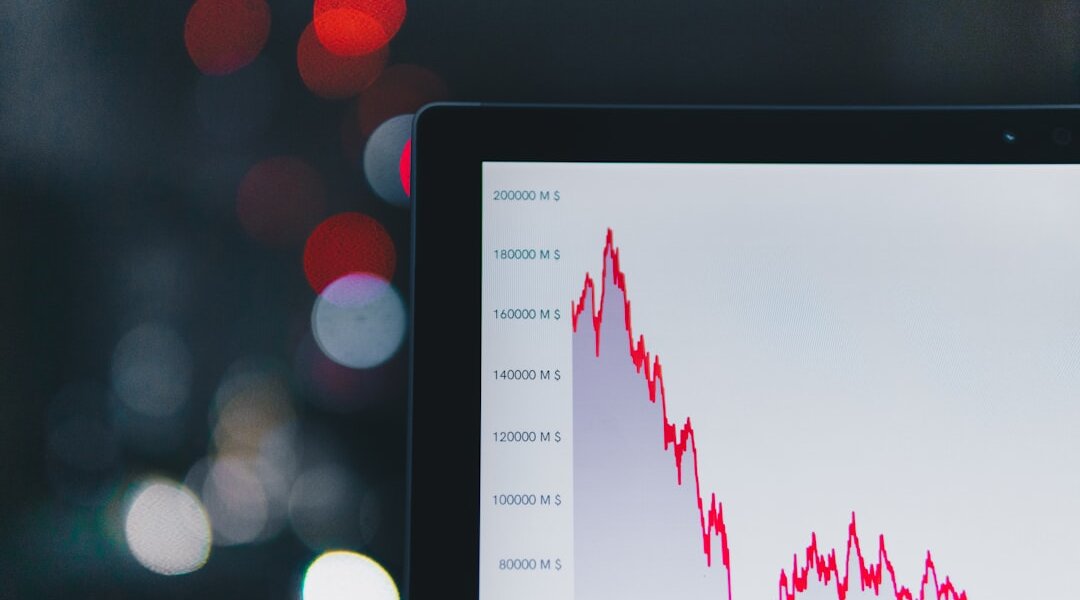
The first quarter of 2026 proved to be a tumultuous yet fascinating period for Fortune 500 tech giants. As earnings reports rolled in, investors were met with a complex narrative: robust revenue growth in many areas, particularly driven by artificial intelligence (AI) investments, juxtaposed with significant stock volatility stemming from heightened capital expenditures and broader macroeconomic uncertainties. This quarter was a stark reminder that while the underlying fundamentals of the tech sector remain strong, market sentiment can be swayed by a myriad of factors beyond just the top and bottom lines.
The AI Investment Frenzy: A Double-Edged Sword
Artificial intelligence emerged as the undisputed protagonist of Q1 2026 earnings season. Major tech players are pouring unprecedented sums into AI infrastructure, including advanced data centers, specialized chips, and expanded cloud computing capacity. Combined, companies like Alphabet, Amazon, Meta, and Microsoft are projected to spend nearly $700 billion on capital expenditure (capex) in 2026, with the vast majority earmarked for AI initiatives. This massive investment is a clear indicator of the industry’s belief in AI’s transformative potential.
The impact of this AI-driven spending was evident in several companies’ results. Google Cloud, for instance, saw its revenue jump an impressive 63% year-on-year, significantly beating analyst estimates. Similarly, Amazon Web Services (AWS) delivered its best performance in 15 quarters, with sales growing 28%. Both Alphabet and Amazon benefited from this surge in demand for cloud computing services, translating into strong overall financial performance and positive investor reactions.
However, the sheer scale of these investments also created a paradox. While driving growth, the substantial increase in capex became a point of concern for investors. Meta Platforms, despite reporting a 33% increase in revenue, saw its shares fall after it raised its full-year capex guidance to between $125 billion and $145 billion, citing higher component costs and data center expansion. Microsoft experienced a similar, albeit more pronounced, reaction. Despite an 18% year-over-year revenue increase and 40% growth in its Azure cloud business, higher-than-expected capital expenditures contributed to its stock tumbling 23.3% in the quarter – its worst quarterly performance since Q4 2008. This highlights a crucial theme: investors are scrutinizing not just the spending itself, but also the clarity and return profile of these massive AI bets.
Navigating Volatility: Macro Headwinds and Sector Shifts
Beyond individual company performance, Q1 2026 was characterized by broader market volatility, particularly impacting the tech-heavy Nasdaq index, which briefly entered correction territory. Several macroeconomic factors contributed to this turbulent environment. Geopolitical turmoil, notably the ongoing conflict in Iran and its impact on oil prices, fueled inflation fears and a general “risk-off” sentiment among investors.
Monetary policy uncertainty also played a role. The Federal Reserve’s decision to hold interest rates steady, coupled with the impending transition to a new Fed chair, added another layer of unpredictability that affects growth-oriented tech stocks sensitive to borrowing costs.
This period also saw a notable sector rotation. While AI infrastructure businesses continued to attract capital, other segments within tech, particularly software and cybersecurity, experienced outflows. Fears that AI could disrupt traditional business models weighed on sentiment for these areas, leading to a reallocation of funds into industries like energy, industrials, and materials. The valuation premium of Big Tech over the S&P 500 also saw a significant decline, indicating a more cautious stance from the market.
Beyond the Headlines: Individual Tech Giant Performance
A closer look at specific tech giants reveals the nuanced picture of Q1 2026:
-
Alphabet (Google): Delivered impressive results, beating revenue consensus by nearly $3 billion. Google Cloud’s 63% growth and a significantly expanded backlog underscored the success of its AI strategy. This positive performance led to a 7% rise in shares after hours.
-
Amazon: Reported strong overall sales of $181.5 billion, up 17% year-on-year, and record operating income. The robust growth in AWS, coupled with its massive $200 billion AI investment, positioned Amazon as a strong performer.
-
Meta Platforms: Despite beating revenue estimates with a 33% increase, Meta’s stock faced pressure due to its increased capital expenditure guidance for AI infrastructure. This highlights the market’s sensitivity to the pace and perceived return on AI investments.
-
Microsoft: Demonstrated strong underlying business performance, especially in its cloud segment, Azure, which grew 40%. However, investor concerns over higher capex and conservative guidance for the next quarter led to a significant stock decline in Q1.
-
Apple: Provided reassuring guidance, with the new CEO outlining plans for future investments. This helped stabilize investor confidence amidst the broader market turbulence.
-
Nvidia: A central player in the AI boom, Nvidia’s stock pulled back 6.5% in Q1 2026. While consistently beating expectations, the market’s extremely high bar for its performance means even strong results need to be “big enough” to impress and signal accelerating growth.
Conclusion: Navigating the AI Frontier
Q1 2026 painted a complex picture for Fortune 500 tech giants. While the commitment to AI is undeniable and driving significant revenue growth in key areas like cloud computing, it also introduced a new layer of scrutiny around capital expenditures and their long-term returns. Investors are clearly distinguishing between companies that demonstrate clear pathways to monetize their AI investments and those whose spending raises questions about efficiency and immediate profitability.
The quarter also underscored the impact of external factors, from geopolitical tensions to shifting monetary policies, on even the most resilient tech stocks. As we move further into 2026, the technology landscape will likely continue to be shaped by the interplay of aggressive AI innovation, evolving market sentiment, and broader economic forces. For investors and industry watchers, staying informed and looking beyond immediate headlines to understand the strategic underpinnings of these tech giants’ decisions will be crucial. What are your thoughts on the future of AI investment and its impact on tech stocks? Share your insights in the comments below!