Black Tuesday for the Workforce: Thousands Laid Off Across Tech, Manufacturing, and Services
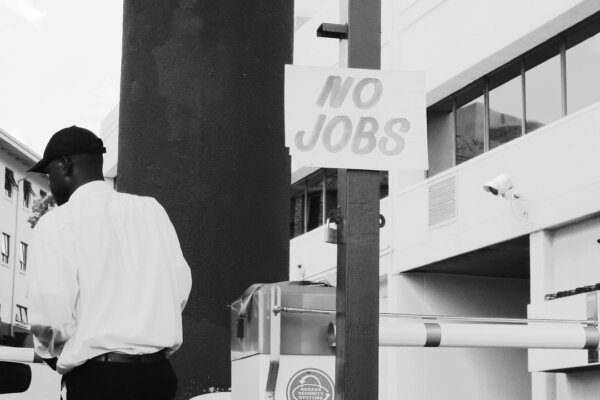
The global economy often operates in cycles, but some days stand out as particularly stark reminders of its volatility. Recently, a brutal 24-hour spree sent shockwaves through the job market, as thousands of employees across the tech, manufacturing, and services sectors found themselves facing an unexpected “Black Tuesday.” This concentrated wave of layoffs has ignited concerns about economic stability, workforce resilience, and the future of employment across diverse industries. What’s driving this sudden, widespread contraction, and what does it mean for professionals navigating an increasingly uncertain landscape?
The sheer scale and simultaneous nature of these announcements painted a grim picture, leaving many to wonder if this is merely a blip or a harbinger of a more profound economic recalibration. From innovative startups to established industrial giants and customer-facing enterprises, no sector seemed immune to the sudden workforce reductions. Understanding the underlying factors contributing to this widespread job loss is crucial for both affected individuals and industry leaders alike.
The Tech Tremor Continues: A Reality Check for the Digital Frontier
For years, the technology sector was a seemingly unstoppable engine of growth, characterized by aggressive hiring and booming valuations. However, the “Black Tuesday” events underscore a trend that has been simmering for months: the tech tremor is far from over. Many companies, emboldened by pandemic-driven digital acceleration, engaged in significant overhiring. Now, with rising interest rates, tighter venture capital funding, and a general economic slowdown, the focus has shifted sharply to profitability and efficiency over unchecked expansion.
Major tech firms, along with numerous smaller players, have cited various reasons for their workforce reductions. These often include a need to streamline operations, cut costs, reallocate resources towards emerging technologies like AI and automation, and correct for past hiring excesses. While innovation remains at the core of the industry, the current climate demands a more disciplined approach to human capital. Employees in roles ranging from software development and project management to marketing and HR have been impacted, highlighting a strategic pivot within the industry. It’s a sobering moment for a sector that once promised limitless opportunities.
- Overhiring corrections
- Economic slowdown and inflation pressures
- Strategic shifts towards AI and automation
- Demands for increased profitability
Manufacturing’s Unsettling Shift: Automation Meets Economic Headwinds
The manufacturing sector, often seen as a bellwether for the broader economy, also experienced significant cuts. While different from the tech sector’s growth-correction narrative, manufacturing layoffs often point to a confluence of factors: persistent supply chain disruptions, fluctuating consumer demand, and the accelerating march of automation. Companies are increasingly investing in robotics and advanced machinery to boost productivity and reduce labor costs, a long-term trend that can lead to short-term job displacement.
Furthermore, global economic uncertainties, including geopolitical tensions and energy price volatility, have impacted production costs and market access. This forces manufacturers to re-evaluate their operational footprints and labor needs. The layoffs serve as a stark reminder that even foundational industries are undergoing profound transformations, requiring a workforce that is adaptable and equipped with new skills. The future of manufacturing jobs will likely lean heavily on those who can operate, maintain, and innovate alongside advanced technological systems. The goal for many manufacturers is to produce more with less, leading to some tough decisions regarding staffing levels.
Services Sector Feels the Squeeze: Consumer Confidence and Cost-Cutting
From retail and hospitality to finance and professional services, the services sector, which constitutes a vast portion of many economies, was not spared. Layoffs here often reflect a direct response to shifts in consumer spending habits, rising operational costs, and a general tightening of belts across businesses. Inflationary pressures have eroded consumer purchasing power, leading to reduced demand for non-essential services. Simultaneously, businesses are grappling with higher input costs, from wages to utilities, forcing them to find efficiencies wherever possible.
The “Black Tuesday” for services underscores a broader economic sentiment of caution. Companies are anticipating slower growth and are proactively adjusting their workforces to maintain margins. This can manifest in reduced staffing at brick-and-mortar establishments, scaled-back client projects, or a pause in expansion plans. The challenge for the services sector is to maintain quality and customer satisfaction while operating with leaner teams, often necessitating greater reliance on technology to bridge the gap. Customer-facing roles and administrative positions have been particularly vulnerable in this wave of cuts.
Navigating the Storm: Implications and the Path Forward
This concentrated period of layoffs, impacting such diverse sectors, paints a clear picture: the global workforce is in a period of significant transition. For those affected, the immediate challenge is securing new employment in a competitive market. For those still employed, it’s a stark reminder of the importance of continuous learning and adaptability.
The implications extend beyond individual job losses. Mass layoffs can dampen consumer confidence, reduce economic activity, and create a ripple effect across interconnected industries. Governments and educational institutions face renewed pressure to support reskilling initiatives and foster environments that encourage new job creation. Businesses, meanwhile, are learning valuable lessons about sustainable growth and the critical balance between innovation and financial prudence.
The “Black Tuesday” for the workforce serves as a powerful call to action. It emphasizes the need for individuals to diversify their skill sets, embrace lifelong learning, and remain agile in their career paths. For industries, it’s an imperative to invest in robust talent development programs and foster a culture of resilience. While challenging, periods of disruption also spark innovation and new opportunities for those prepared to adapt.
What are your thoughts on these widespread layoffs? How do you think industries and individuals should best prepare for an evolving job market? Share your insights in the comments below or join the conversation on social media using #WorkforceLayoffs #EconomicOutlook.