Photo by Conny Schneider on Unsplash
The Tech Tsunami’s Ripple Effect: Navigating Global Economic Aftershocks
The global economy is a complex, interconnected web, and recent years have starkly illustrated just how quickly a tremor in one sector can unleash a full-blown tsunami across others. What began as a seemingly concentrated wave of layoffs in the technology sector has now sent profound shockwaves through manufacturing and the broader service industry, leaving thousands grappling with job insecurity and uncertainty. This isn’t merely a cyclical downturn; it’s a recalibration driven by a confluence of post-pandemic adjustments, geopolitical shifts, and evolving consumer behaviours. Understanding these interconnected events is crucial for anyone navigating the current economic landscape.
The Tech Tsunami: From Boom to Bust
For years, the technology sector was seen as an unstoppable engine of growth, fueled by venture capital, low interest rates, and a pandemic-induced surge in digital adoption. Companies expanded rapidly, often over-hiring in anticipation of sustained demand. However, as interest rates climbed, inflation tightened its grip, and the cost of capital rose, the tide began to recede. Major tech giants, from software powerhouses to hardware innovators, announced significant workforce reductions, citing and . These initial cuts were a stark awakening, signaling the end of an era of seemingly limitless expansion. The market correction was swift and brutal, impacting not just engineers and product managers but also support staff, recruiters, and sales teams. This “tech tsunami” quickly became a leading indicator of broader economic headwinds.
Factory Fallout: Manufacturing Feels the Squeeze
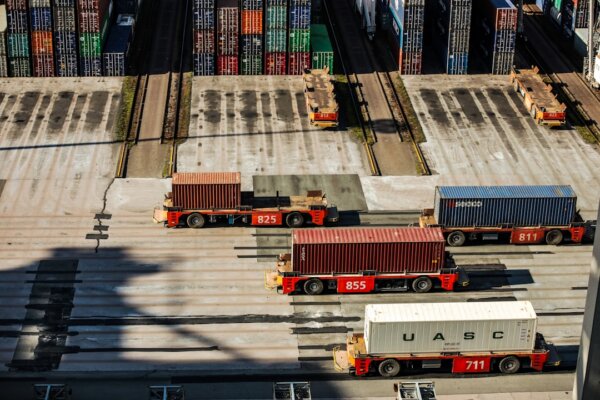
The impact of the tech slowdown wasn’t confined to Silicon Valley. Manufacturing, a cornerstone of the global economy, soon began to experience its own “factory fallout.” Reduced consumer spending, particularly on discretionary items like electronics, cars, and home goods, directly translated into lower demand for manufactured products. Supply chain disruptions, exacerbated by geopolitical tensions and lingering pandemic effects, continued to plague production lines. Factories that had ramped up capacity to meet previous surges now faced excess inventory and diminishing orders. This led to a ripple effect: fewer shifts, hiring freezes, and ultimately, layoffs in sectors ranging from automotive to textiles and consumer electronics. The once-thriving industrial parks saw production lines slow, and the promise of manufacturing jobs faced new economic realities. The interconnectedness became undeniable: a decline in tech investment meant less demand for components, machinery, and logistics services, directly impacting factory floors worldwide.
Service Sector Shockwaves: A Wider Ripple Effect
As the tech tsunami and factory fallout intensified, the service sector, often considered more resilient, began to feel the “shockwaves.” This impact is multifaceted. Firstly, many service businesses directly support the tech and manufacturing industries – think marketing agencies, consulting firms, logistics providers, and even commercial real estate. As their primary clients cut back, these support services experienced reduced contracts and project cancellations, leading to their own rounds of layoffs. Secondly, reduced consumer confidence and spending, a direct consequence of job insecurity and inflationary pressures, hit retail, hospitality, and leisure industries. People with less disposable income or worries about their job security are less likely to dine out, travel, or make non-essential purchases. Even seemingly unrelated sectors like finance, human resources, and media have felt the pinch, as companies across the board tighten their belts and optimize operations. The interconnectedness of the modern economy means that a downturn in one major sector inevitably creates across the entire service landscape, highlighting the need for and .
Navigating the New Economic Landscape: Resilience and Re-skilling
The current economic climate demands more than just weathering the storm; it calls for strategic adaptation. For individuals, this means focusing on and . Roles in AI, cybersecurity, renewable energy, and advanced manufacturing remain in high demand, pointing towards areas for re-skilling and up-skilling. For businesses, it necessitates a renewed focus on operational efficiency, prudent financial management, and exploring new markets or business models. Digital transformation, though initially a driver of some redundancies, also offers pathways to greater resilience through automation and data-driven decision-making. The ability to pivot quickly, embrace agile methodologies, and foster a culture of innovation will be paramount for survival and growth.
Conclusion: Building a More Resilient Future
The global economic aftershocks, characterized by the tech tsunami, factory fallout, and service sector shockwaves, are reshaping the world of work. While the current period presents significant challenges, it also offers an opportunity to build a more resilient and adaptable economic future. By understanding the interconnected nature of these shifts, individuals can proactively invest in their skills, and businesses can strategically innovate. The path forward requires collaboration, foresight, and a commitment to lifelong learning. What steps are you taking to prepare for the evolving landscape of work and technology? Share your thoughts and strategies in the comments below.