Photo by Homa Appliances on Unsplash
In what feels like a seismic shift across the global economy, a “redundancy avalanche” has swept through the tech industry, and its tremors are now distinctly felt in manufacturing and services. Recent days have seen a flurry of announcements, painting a stark picture of a job market in flux, driven by a confluence of economic headwinds, post-pandemic corrections, and the accelerating impact of artificial intelligence. While tech giants have been at the forefront of these workforce reductions, the ripple effect is undeniable, prompting widespread concern about the future of employment across diverse sectors.
The Tech Exodus Continues: AI and Efficiency Drive Cuts
The tech sector has been grappling with significant workforce reductions throughout 2026, with over 92,000 tech workers losing their jobs so far this year. This trend has intensified recently, with April 2026 marking the worst single month for tech job cuts in two years, eliminating over 45,000 positions. Companies like Meta, Amazon, Microsoft, Oracle, Snap, Block, Atlassian, and PayPal are among the many that have announced substantial layoffs.
A primary driver behind these cuts is the aggressive push towards artificial intelligence (AI) and operational efficiency. Meta, for instance, is restructuring to become an “AI-first” company, eliminating approximately 8,000 roles (about 10% of its workforce) in May 2026, while simultaneously investing billions in AI infrastructure. Freshworks and Cloudflare have similarly cited AI and efficiency gains as reasons for reducing staff. General Motors is also overhauling its tech workforce to prioritize AI and software expertise, leading to hundreds of salaried employee cuts.
However, it’s not solely about AI replacing jobs. Some analyses suggest that companies are also shedding roles to fund massive AI investments, with AI sometimes serving as a convenient “scapegoat” for broader restructuring efforts or overhiring corrections from the pandemic boom. Regardless of the exact dynamic, the message is clear: the tech industry is undergoing a profound transformation, leaving many roles vulnerable while creating intense demand for specialized AI/ML engineers, cybersecurity experts, and cloud infrastructure professionals.
Manufacturing’s Shifting Gears: Automation and Supply Chain Pressures
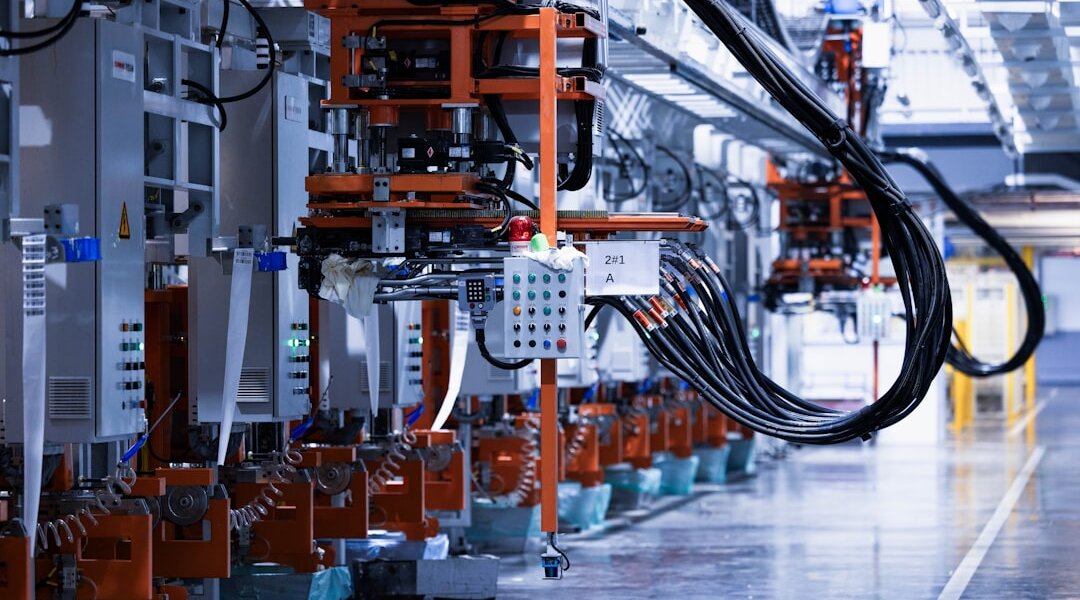
While tech headlines dominate, the manufacturing sector is also facing its own reckoning. Recent Worker Adjustment and Retraining Notification (WARN) filings indicate job cuts across various industries, including manufacturing. Automotive-related manufacturing, for example, has seen layoffs, with companies like Adient and Yanfeng cutting hundreds of jobs due to slowdowns in production. Industrial manufacturer Milliken & Company also announced facility closures and layoffs as part of consolidation efforts. Chemical giant Dow plans to cut approximately 4,500 jobs as it shifts operations towards artificial intelligence and automation.
This isn’t a uniform decline, however. There are mixed signals, with U.S. manufacturing activity hitting a four-year high in May 2026, driven by companies building inventory in anticipation of potential supply disruptions. This suggests a complex landscape where some segments of manufacturing are adapting and even growing, while others face significant pressures from automation, global supply chain volatility, and the ripple effects of a cooling tech sector. The demand for manufacturing jobs increasingly requires a blend of traditional expertise with digital technology skills, including proficiency in automation, robotics, and data analytics.
Services on the Brink: Reduced Demand and Automation’s Reach
The “redundancy avalanche” is not stopping at manufacturing; it’s extending deeply into the services sector. Logistics, transportation, and retail are particularly feeling the squeeze. More than 5,100 freight-related layoffs have recently impacted the U.S. supply chain sector, affecting warehouse operators, trucking companies, and food logistics providers due to restructuring and softening industrial demand. Spirit Airlines, for instance, ceased operations entirely, resulting in 14,000 job losses in the aviation sector. UPS has also announced plans to eliminate 30,000 jobs through attrition and voluntary separation programs in 2026. In the financial sector, Citi continues its plan to reduce its workforce by 10%, or about 20,000 employees, with cuts extending into 2026.
Beyond these direct impacts, the broader economic environment plays a crucial role. Reduced consumer spending, influenced by persistent inflation and uncertainty, can lead to decreased demand for services, triggering further job cuts. While the overall U.S. economy added 115,000 nonfarm payroll jobs in April 2026, maintaining a steady unemployment rate of 4.3%, this growth is highly concentrated in sectors like healthcare, transportation, and retail, masking declines in others, including certain information technology sectors.
Navigating the New Normal
The “redundancy avalanche” is a stark reminder of the interconnectedness of our global economy. What begins as a strategic realignment in one sector, particularly a dominant one like tech, quickly sends ripples through others. The current environment is characterized by a “two-speed” job market: rapid growth in highly specialized, AI-adjacent roles, and a contraction or transformation in positions susceptible to automation or economic slowdowns.
For individuals, this era demands adaptability and continuous learning. Upskilling in areas like AI, cybersecurity, and data analytics is no longer a luxury but a necessity for career resilience. For businesses, it’s a call to strategically invest in innovation while prioritizing a human-centric approach to workforce transition. The challenge lies not just in managing the immediate fallout but in proactively shaping a future where technological advancement and human prosperity can coexist. What steps will you take to prepare for this evolving landscape?