Photo by Kevin Ache on Unsplash
Nvidia has undeniably been the poster child of the artificial intelligence boom, its GPUs powering everything from large language models to autonomous vehicles. For investors, the ride has been exhilarating, marking a paradigm shift in how we perceive computing power. However, as the market matures and the demand for AI accelerates, the infrastructure supporting this revolution is diversifying rapidly. With the latest earnings season behind us, it’s time to look beyond the immediate giants and identify the “next wave” of companies building the critical foundations of AI.
The AI infrastructure isn’t just about GPUs; it’s a complex ecosystem encompassing specialized processors, high-speed networking, robust data centers, and advanced cooling solutions. As AI workloads become more diverse and demanding, so too does the need for tailored, efficient, and scalable infrastructure. This presents a compelling opportunity for investors willing to dig deeper than the headlines.
The Expanding Universe of AI Accelerators
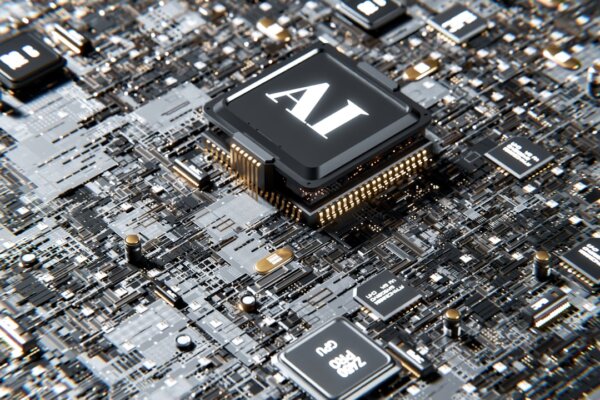
While Nvidia’s CUDA platform remains dominant for many general-purpose AI tasks, the industry is seeing a surge in specialized AI accelerators designed for specific workloads. These Application-Specific Integrated Circuits (ASICs) and Field-Programmable Gate Arrays (FPGAs) offer significant power efficiency and performance gains for particular AI inference tasks, edge computing, and even certain training scenarios.
Companies like Intel, through its Habana Gaudi accelerators, are making strides in challenging the GPU status quo for AI training and inference in data centers. Their focus on open standards and competitive pricing could carve out a significant niche. Similarly, newer players and startups are emerging with innovative chip architectures optimized for different aspects of AI, from neuromorphic computing to analog AI. Keeping an eye on patent filings, strategic partnerships, and customer adoption rates for these specialized chips post-earnings can provide early indicators of future growth. Investors should also consider firms developing AI-specific IP and design tools, which are crucial enablers for this new wave of silicon innovation.
Data Centers: The Unsung Heroes of AI
The immense computational demands of AI models translate directly into an unprecedented need for data center capacity, power, and cooling. Every AI training run, every inference query, and every data pipeline requires physical space, reliable power delivery, and efficient thermal management. This makes data center real estate investment trusts (REITs), power infrastructure providers, and cooling technology companies crucial, yet often overlooked, components of the AI boom.
Companies that own and operate hyperscale data centers, particularly those strategically located with access to cheap, renewable energy, are direct beneficiaries. Furthermore, firms specializing in advanced cooling solutions, such as liquid immersion cooling or direct-to-chip liquid cooling, are becoming indispensable. As chip power densities continue to rise, traditional air cooling struggles to keep pace, making these innovative cooling solutions critical for maintaining optimal performance and energy efficiency. Post-earnings insights into capital expenditure plans, occupancy rates, and average revenue per cabinet can highlight strong performers in this foundational sector.
High-Speed Networking and Interconnects: The AI Backbone
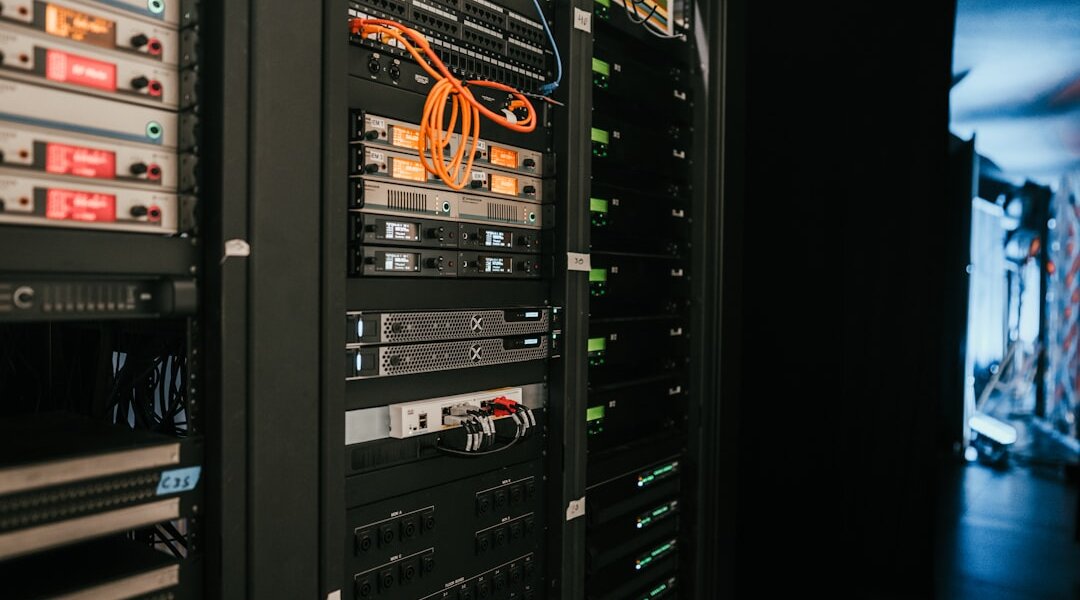
It’s not enough to have powerful chips; they also need to communicate with each other and with vast data storage systems at lightning speed. High-bandwidth, low-latency networking is the literal backbone of modern AI infrastructure, enabling seamless data flow between thousands of GPUs or specialized accelerators within a data center, and across geographically dispersed cloud regions.
This segment includes companies that provide high-speed Ethernet switches, InfiniBand solutions, and advanced optical interconnects. Firms developing next-generation networking protocols and hardware, crucial for managing the massive data transfers required by AI, are poised for significant growth. The shift towards 800G and even 1.6T Ethernet, along with advancements in optical transceivers and silicon photonics, represents a critical area of innovation. Observing order backlogs, R&D investments, and strategic alliances in this space can reveal companies positioned to capitalize on the increasing demand for AI-optimized networks.
Conclusion: Diversifying Your AI Investment Horizon
While Nvidia’s dominance in the AI chip market is undeniable, the opportunities in the broader AI infrastructure landscape are expanding rapidly. From specialized chip designers and data center powerhouses to high-speed networking innovators, a diverse array of companies are building the essential components that will fuel the next generation of artificial intelligence. As the dust settles from earnings season, a careful analysis of these underlying infrastructure providers can uncover compelling investment opportunities beyond the immediate spotlight.
Remember, the future of AI is not a single component, but a symphony of interconnected technologies. Diversifying your investment strategy to include these critical infrastructure players can provide a more robust and resilient approach to participating in the AI revolution. Do your own thorough research and consider consulting with a financial advisor before making any investment decisions.