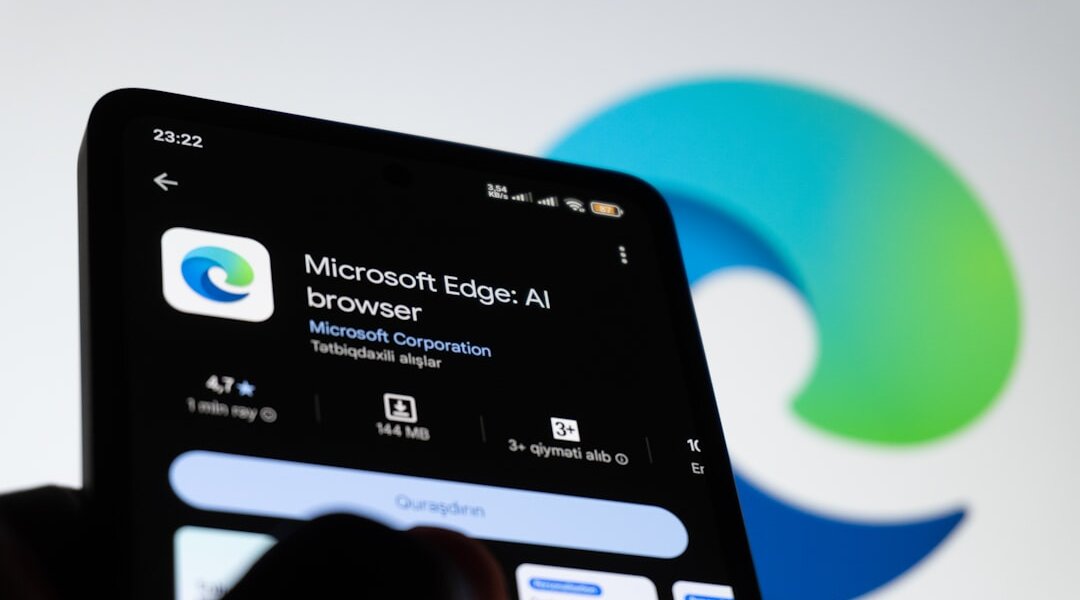
Photo by Zulfugar Karimov on Unsplash
The tech world is abuzz with the news of Microsoft’s latest strategic maneuvers, which include a significant round of layoffs impacting thousands of employees. This workforce reduction is not merely a cost-cutting exercise; it represents a bold and decisive pivot by the Redmond giant towards an AI-first future, particularly in the burgeoning field of generative AI.
In early July 2026, Microsoft announced the elimination of approximately 4,800 jobs, accounting for about 2.1% of its global workforce. These cuts primarily targeted the commercial and Xbox organizations. This follows earlier rounds of substantial layoffs in May 2025 (6,000 employees) and July 2025 (9,000 employees), alongside a voluntary retirement program earlier this year. While the numbers are significant, Microsoft emphasizes that these roles are not being directly replaced by AI. Instead, the company is realigning its talent and resources to meet the evolving demands of an industry fundamentally reshaped by artificial intelligence.
The Unstoppable Ascent of Generative AI
Microsoft’s strategic shift is a direct response to the transformative power of generative AI. The company has made massive investments, pouring tens of billions of dollars into AI infrastructure, data centers, and advanced AI research. This year alone, Microsoft plans to spend a staggering $190 billion on AI infrastructure, a 60% increase from the previous year. This heavy capital expenditure underscores AI’s central role in Microsoft’s long-term vision and its competitive strategy against other tech giants.
The strategic partnership with OpenAI and the subsequent integration of its technologies, such as Copilot, across Microsoft’s product ecosystem exemplify this commitment. Microsoft 365 Copilot, for instance, is designed to act as an AI-powered assistant embedded within everyday applications like Word, Excel, PowerPoint, Outlook, and Teams. This innovative tool aims to boost productivity by automating routine tasks, drafting content, analyzing complex data, and generating real-time insights, allowing professionals to focus on higher-value, strategic work. The goal is clear: to embed AI into the very fabric of how work gets done, driving efficiency and innovation across enterprises.
The Human Equation: Layoffs and Strategic Realignment
While Microsoft’s leadership maintains that AI is not directly replacing human roles, the recent layoffs are an undeniable consequence of the company’s aggressive pivot. The restructuring is driven by the need to align the workforce with new priorities and skill requirements in an AI-first world. The areas most significantly impacted, such as sales, consulting, and particularly the Xbox gaming division, highlight where traditional operational models are being re-evaluated.
The Xbox division alone saw approximately 3,200 positions eliminated as part of what Xbox head Asha Sharma described as “the most significant restructure in Xbox history.” This overhaul includes divesting several game studios, reflecting a reassessment of the gaming unit’s performance despite years of heavy investment. This move underscores a broader industry trend where companies are streamlining operations and reallocating resources to fund expensive AI development and infrastructure. It’s a challenging period for affected employees, but Microsoft has also mentioned efforts to redeploy over 4,000 employees into new roles and offer voluntary retirement programs to ease transitions.
Reshaping the Workforce for an AI-First Era
Microsoft’s strategic shift signals a profound transformation in the skills and roles valued within the tech industry. As AI automates more routine tasks, the demand for professionals with specialized AI expertise, data science capabilities, and skills in prompt engineering will surge. The company’s Chief People Officer, Amy Coleman, noted that while AI isn’t replacing roles directly, it is changing how work gets done, necessitating continuous learning and adaptation from the workforce.
This era calls for a workforce that is agile, adaptable, and proficient in leveraging AI tools. Microsoft itself is investing in programs to help employees enhance their skills alongside AI integration. The focus is on building high-performing teams that can operate with pace and agility, driving forward the company’s AI initiatives. For individual professionals, this means a renewed emphasis on upskilling and reskilling to remain relevant in a rapidly evolving job market. Learning to collaborate effectively with AI assistants like Copilot will become a core competency, freeing up human creativity for strategic problem-solving and innovation.
Conclusion: Adapting to the AI Imperative
Microsoft’s recent layoffs and strategic restructuring represent a stark reality check for the entire tech industry. The company is doubling down on generative AI, viewing it not just as a new technology but as the fundamental driver of its future growth and operational efficiency. This massive investment, coupled with significant workforce adjustments, highlights the intense pressure on tech giants to innovate and lead in the AI race.
For professionals and businesses alike, Microsoft’s AI reckoning serves as a potent reminder: the future is AI-powered. Embracing this shift, understanding its implications for workflows and skill sets, and actively adapting to the new technological landscape are no longer optional. It’s an imperative for survival and success in the evolving digital age. How will you prepare your skills / organization for this inevitable AI transformation?