Photo by Maxim Hopman on Unsplash
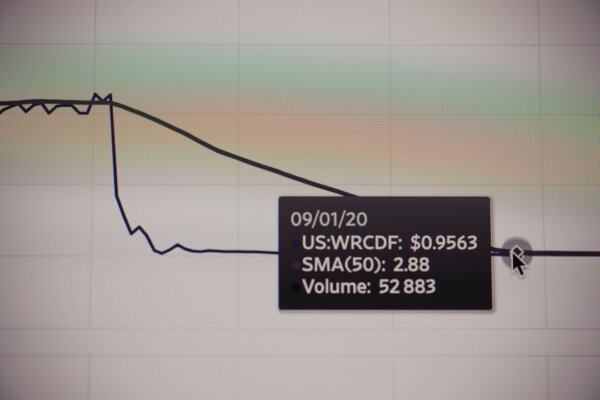
In the volatile world of technology stocks, even the most formidable giants are not immune to sudden, dramatic shifts in market sentiment. Imagine a scenario where Microsoft, a company synonymous with stability and innovation, suddenly sees billions wiped from its market capitalization in a matter of hours. While this remains a hypothetical exercise, understanding the potential catalysts for such a drastic plunge offers invaluable insight into the intricate dynamics of investor confidence and the multifaceted risks facing today’s tech behemoths.
The stock market operates on a delicate balance of perception, performance, and future potential. For a company like Microsoft, which commands a staggering valuation, any significant disruption can trigger a cascade effect, leading to a rapid erosion of wealth. What, then, could realistically spark such a market mania, transforming investor optimism into widespread panic?
The Regulatory Hammer Falls: Antitrust and Compliance Headwinds
One of the most potent threats to any dominant tech company is the specter of regulatory intervention. Governments worldwide are increasingly scrutinizing the immense power wielded by tech giants, leading to a surge in antitrust investigations, data privacy regulations, and calls for market restructuring. A hypothetical announcement of a monumental antitrust lawsuit against Microsoft, perhaps alleging monopolistic practices in its cloud computing division or its operating system, could send shockwaves through the market.
Consider the potential impact of a multi-billion dollar fine, coupled with mandates to fundamentally alter core business practices. Such an event would not only hit the company’s financials directly but also signal a prolonged period of legal battles and operational uncertainty. Investors, fearing reduced profitability and stifled innovation due to compliance burdens, would likely liquidate their holdings en masse. The sheer scale of such a regulatory setback, particularly if it threatens the company’s long-term competitive advantages, could easily account for a rapid, multi-billion dollar loss in market value. Regulatory risk is a constant shadow over large tech firms, and a definitive negative outcome could be devastating.
Innovation Stalls or Security Breaches Erode Trust
Microsoft’s success has long been predicated on its relentless pursuit of innovation, from Windows and Office to Azure and Xbox. Should the company suddenly falter in this critical area, the market could react swiftly. Imagine a situation where a highly anticipated flagship product launch completely flops, or worse, a major division like Azure or Microsoft 365 faces a significant, persistent outage or a catastrophic security breach. The direct financial cost of a breach, including remediation, legal fees, and potential fines, can be immense. However, the intangible cost of eroded customer trust and reputational damage is often far greater.
A widespread cybersecurity incident affecting millions of users or critical enterprise clients, exposing sensitive data or disrupting essential services for an extended period, would undoubtedly trigger a sell-off. Investors rely on tech companies to be bastions of security and reliability. A breach of that trust, especially one that exposes fundamental vulnerabilities in Microsoft’s core offerings, would question the company’s future growth trajectory and its ability to maintain its competitive edge. Furthermore, if competitors were perceived to be innovating faster or offering more secure alternatives, the market could quickly re-evaluate Microsoft’s long-term prospects, leading to a substantial devaluation.
Macroeconomic Headwinds and Shifting Investor Sentiment
Beyond company-specific issues, broader macroeconomic forces can also play a pivotal role in market movements. Even a company as robust as Microsoft is not immune to a severe economic downturn, rising interest rates, or a general flight from growth stocks. A sudden, unexpected announcement from a central bank regarding aggressive interest rate hikes, or a global recession deeper than anticipated, could trigger a broad market correction that disproportionately affects high-valuation tech stocks.
In such an environment, investors often become risk-averse, pulling capital from growth-oriented companies in favor of safer, more defensive assets. If analysts begin to downgrade their growth forecasts for the entire tech sector due to tightening economic conditions, Microsoft’s stock, despite its strong fundamentals, could be caught in the undertow. A significant revision of economic outlooks, combined with pessimistic earnings guidance from Microsoft itself, could accelerate a sell-off, as investors recalibrate their expectations for future earnings and cash flows in a less favorable economic climate. This interplay of economic indicators and investor sentiment is a powerful, often unpredictable, force.
Conclusion: The Fragility of Market Confidence
While the scenario of billions being wiped from Microsoft’s valuation in mere hours remains hypothetical, it underscores the inherent fragility of market confidence, even for the most established tech giants. A convergence of severe regulatory actions, critical product failures or security breaches, and adverse macroeconomic conditions could collectively create the perfect storm for such a dramatic market correction. For investors, these hypothetical scenarios serve as a stark reminder of the importance of diversification, diligent research, and understanding the multifaceted risks that can impact even the seemingly unshakeable pillars of the tech industry.
What are your thoughts on the most significant risks facing tech giants today? How do you believe companies like Microsoft can best safeguard their market value against unforeseen challenges?