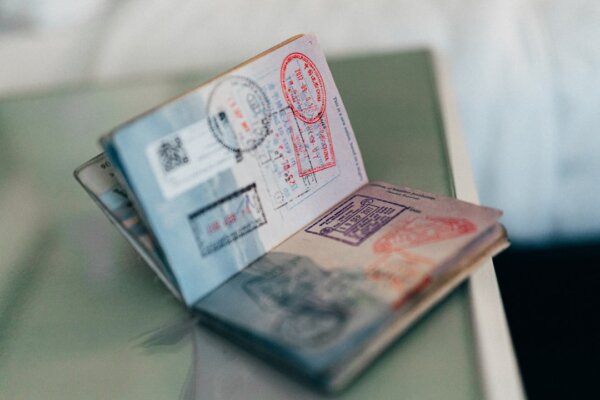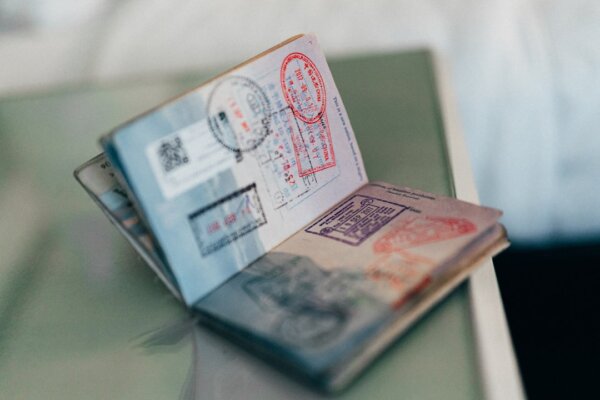
The journey to permanent residency in the United States has long been complex, particularly for skilled foreign workers on H1B visas. Recent announcements from U.S. Citizenship and Immigration Services (USCIS) have introduced a new layer of uncertainty, triggering widespread concern within the tech community and among temporary visa holders. A new policy memo initially suggested a significant shift, potentially compelling many to leave the U.S. to complete their Green Card applications abroad, a process known as consular processing. While subsequent clarifications have offered some relief, the landscape for aspiring permanent residents remains fraught with questions.
Understanding the Policy Shift: Adjustment of Status vs. Consular Processing
For decades, many temporary visa holders, including those on H1B and L1 visas, have pursued permanent residency through the Adjustment of Status (AOS) process. This pathway allows eligible individuals to apply for a Green Card from within the United States, avoiding the need to return to their home countries during the lengthy application period. It offered stability for families and continuity for employers.
However, a USCIS policy memo issued in May 2026, stemming from the Trump administration, announced a re-emphasis on consular processing as the default pathway. The agency stated that adjustment of status should now be considered an “extraordinary form of relief” rather than an automatic entitlement. This directive initially caused significant alarm, suggesting that most temporary visa holders would be expected to depart the U.S. and complete their permanent residency applications at a U.S. consulate abroad.
The implications of such a strict interpretation were immediate and severe:
- Disruption to Lives: Families could face separation, and individuals would have to uproot their lives, potentially for months or even years.
- Career Instability: Employers would grapple with talent absences, project delays, and the risk of losing skilled workers.
- Exacerbated Backlogs: Consular offices in high-demand countries already face significant backlogs, and a surge in Green Card applications could overwhelm the system, leading to even longer waits.
Clarifications and the ‘Dual Intent’ Exception for H1B Holders
Following intense backlash from immigration advocates, businesses, and the tech industry, USCIS and the Department of Homeland Security (DHS) issued crucial clarifications. These statements indicated that the policy memo was intended as a “reminder” of existing discretionary powers rather than a sweeping, blanket change.
Significantly, the clarifications highlighted that many applicants, particularly those on H1B and L1 visas, may still be able to continue with their Adjustment of Status applications within the U.S. This is largely due to the concept of “dual intent,” which applies to certain visa categories like H1B. Dual intent acknowledges that an individual can legally hold a temporary non-immigrant visa while simultaneously intending to apply for permanent residency.
USCIS also stated that individuals whose applications “provide an economic benefit or otherwise are in the national interest” would likely be allowed to continue on their current path. However, the specifics of what constitutes “extraordinary circumstances” or “national interest” remain somewhat ambiguous, leaving room for interpretation by individual immigration officers.
The Persistent Green Card Backlog and Its Impact on Tech Talent
Even with the clarifications, the underlying challenges for H1B holders pursuing Green Cards persist. The most significant hurdle remains the extensive per-country limits on employment-based Green Cards. Countries like India and China, which contribute a vast number of highly skilled workers to the U.S. tech sector, face backlogs that can span decades.
For Indian nationals in the EB-2 and EB-3 categories, wait times can exceed 12 to 15 years, with some estimates reaching as high as 70 years. This means that even if an H1B holder is allowed to apply for AOS from within the U.S., they are still subject to these lengthy waits, during which their immigration status remains temporary. The recent policy memo, by emphasizing heightened scrutiny and discretion for AOS applications, adds another layer of anxiety for these professionals and their employers.
The tech industry heavily relies on foreign talent, with H1B visa holders filling critical roles in software development, engineering, data science, and more. Any policy that introduces greater unpredictability or forces skilled workers to leave the country risks:
- Talent Drain: High-skilled individuals may seek opportunities in other countries with more straightforward immigration pathways.
- Reduced Innovation: The U.S. tech sector’s competitive edge could be blunted without a steady influx of global talent.
- Employer Burden: Companies face increased administrative and legal costs, as well as the burden of managing potential employee absences or departures.
Conclusion: Navigating the Evolving Immigration Landscape
The recent USCIS policy memo and its subsequent clarifications underscore the dynamic and often unpredictable nature of U.S. immigration policy. While the initial panic has subsided somewhat, the new guidance elevates the discretionary bar for Adjustment of Status, making the process potentially more challenging and uncertain for many temporary visa holders. H1B holders, particularly those from heavily backlogged countries, must remain vigilant and proactive.
Call to Action: If you are an H1B holder or temporary visa worker navigating the Green Card process, it is more critical than ever to consult with an experienced immigration attorney. They can provide personalized advice, assess your eligibility for Adjustment of Status under the new discretionary guidelines, and help you prepare a robust application. Staying informed about ongoing policy developments and seeking expert legal counsel are your best strategies for successfully navigating this evolving immigration landscape.